
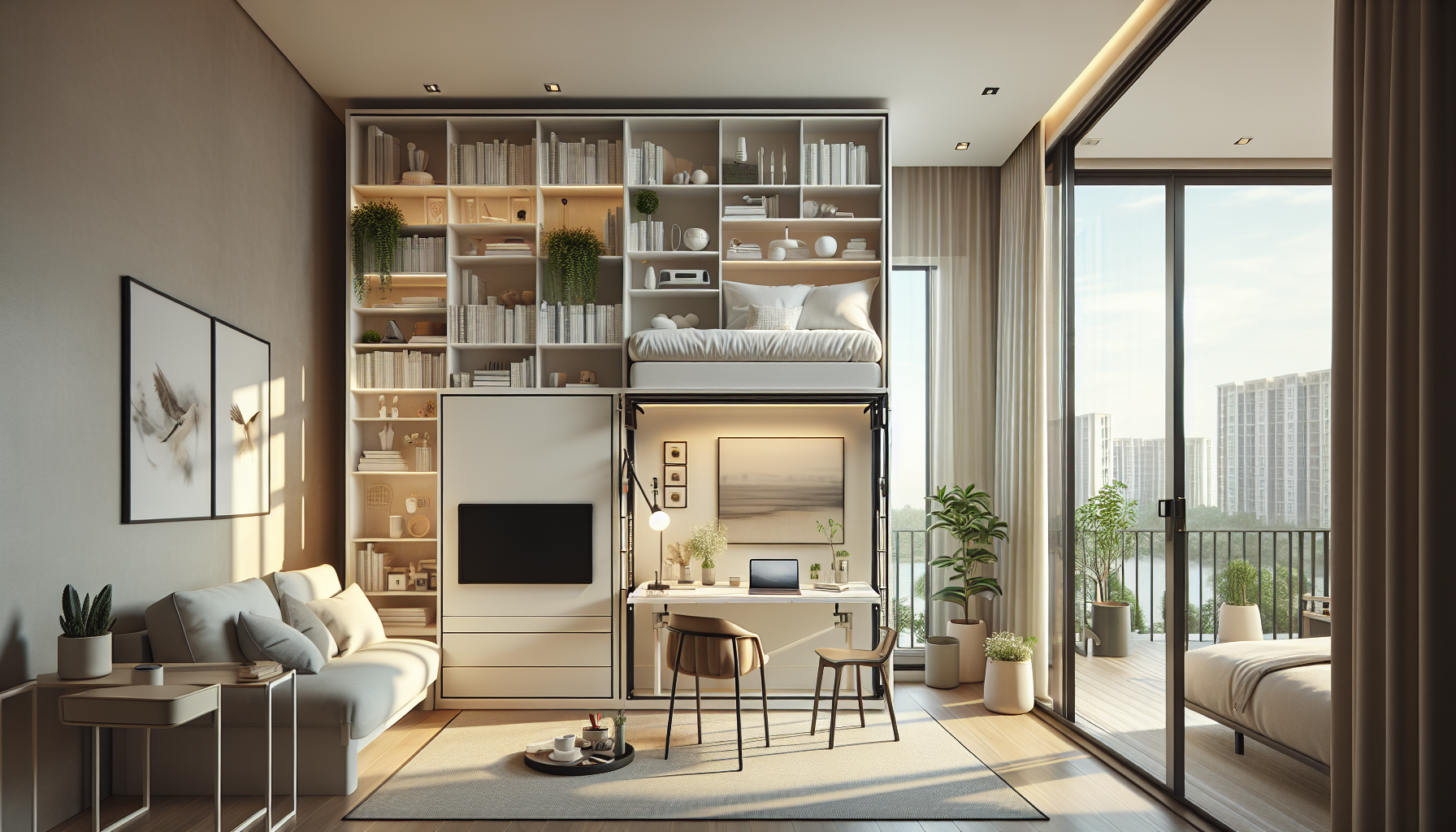
In the realm of urban living, small residential projects have become increasingly prevalent due to the rising cost of real estate and the demand for city-centric living. Successfully optimizing space in these compact environments is not only essential for functionality but also for enhancing the quality of life. By employing strategic design principles, architects and developers can transform limited spaces into comfortable and efficient homes.
This article explores a comprehensive guide to optimizing space in small residential projects. Readers will gain insights into various design approaches, practical steps, and innovative solutions that can significantly improve the livability of small homes. Understanding these elements is crucial for architects, designers, and homeowners aiming to make the most of their limited square footage.
Complete guide to optimizing small residential spaces
Maximizing space in small residential projects requires a blend of creativity, functionality, and foresight. This guide delves into key strategies that can transform compact living areas into functional and appealing homes.
Understanding space efficiency
Importance of multifunctional furniture
Multifunctional furniture is a cornerstone of space optimization. Pieces like sofa beds, extendable tables, and storage ottomans serve dual purposes, allowing residents to utilize the same space for different activities. For example, a foldable dining table that can be tucked away after meals can free up valuable floor space for other uses. According to Houzz, incorporating multifunctional furniture can enhance space efficiency by up to 30%.
Furthermore, investing in high-quality, durable materials ensures that these pieces withstand frequent use, offering long-term benefits for small home dwellers.
Vertical space utilization
Utilizing vertical space is another effective strategy. Installing shelves, cabinets, and storage units that reach the ceiling maximizes storage capacity without encroaching on floor space. A well-organized vertical storage system not only keeps the area tidy but also gives the illusion of a larger room. For instance, a floor-to-ceiling bookcase can serve as both a storage solution and a decorative feature, adding character to the space.
Smart lighting solutions
Natural light maximization
Maximizing natural light is crucial in small residential spaces. Large windows, skylights, and glass doors can brighten interiors, making them feel more open and inviting. Light-colored walls and reflective surfaces can further enhance this effect by reflecting light throughout the space. According to ArchDaily, homes with ample natural light are perceived as 15% more spacious.
Designers can also use mirrors strategically to amplify light, enhancing the room’s depth and openness.
Strategic layout planning
Open-plan designs
Open-plan designs are highly effective in small residential projects. By eliminating unnecessary walls, spaces can flow seamlessly from one area to another, enhancing the sense of spaciousness. This approach allows for greater flexibility in furniture arrangement and use of space, accommodating various activities and lifestyles.
Incorporating sliding doors or movable partitions can provide privacy when needed, without compromising the open-plan aesthetic.
Practical steps for space optimization
- Declutter regularly: Keep the space tidy by regularly removing unnecessary items.
- Invest in built-ins: Built-in furniture maximizes space usage and integrates seamlessly into the design.
- Choose light colors: Light hues enhance natural light and create an airy atmosphere.
- Use mirrors strategically: Reflective surfaces can make spaces appear larger.
- Opt for sliding doors: Sliding doors save space compared to traditional swinging doors.
- Implement flexible furniture: Furniture that adapts to multiple functions can enhance usability.
Key data & statistics
| Indicator | Value / Result | Interpretation |
|---|---|---|
| Space saved by multifunctional furniture | Up to 30% | Efficient use of space for various activities. |
| Perceived increase in space with natural light | 15% | Makes rooms appear larger and more welcoming. |
| Effect of decluttering on space perception | 20% increase | Creates a more organized and spacious feel. |
| Impact of vertical storage solutions | 25% more storage | Maximizes storage capacity without using floor space. |
| Efficiency of open-plan designs | Flexible layout | Improves usability and space adaptability. |
Practical tips for maximizing residential space
Optimizing space in small residential projects is not a one-size-fits-all approach. It requires a tailored strategy that considers the unique characteristics and needs of each home. Implementing practical tips can lead to a more functional and inviting living environment.
One common mistake is overfilling small spaces with furniture and decorations. Instead, carefully selecting a few pieces that serve multiple purposes can significantly enhance the usability and aesthetic of the area.
Tips for success
- Prioritize essential furniture: Choose pieces that serve multiple purposes.
- Maximize vertical storage: Use shelves and cabinets up to the ceiling.
- Utilize underutilized areas: Corners and nooks can be transformed into functional spaces.
- Embrace minimalism: A clutter-free environment enhances perceived space.
- Light it right: Strategic lighting can open up and brighten spaces.
Pros and cons of space optimization strategies
| Pros | Cons |
|---|---|
| Enhanced functionality | Initial investment can be high |
| Improved aesthetics | Requires careful planning |
| Increased property value | May limit design choices |
| Better quality of life | Potential for over-personalization |
| Environmentally friendly | Can be time-consuming |
Similar articles
❓ Frequently Asked Questions
What is the main benefit of using multifunctional furniture?
Multifunctional furniture maximizes space by serving multiple purposes, such as a sofa bed that functions both as seating and sleeping space. This dual functionality is crucial in small residential areas where space is limited.
How can natural light change the perception of space?
Natural light enhances the perception of space by brightening rooms and making them appear larger and more inviting. It also improves mood and reduces the need for artificial lighting during the day.
Why is vertical storage important?
Vertical storage maximizes usable space without occupying floor area. It allows for efficient organization, reducing clutter, and making the home feel more spacious and organized.
Can open-plan designs work in all small spaces?
Open-plan designs are generally effective in small spaces as they promote a sense of openness and flexibility. However, they may not suit all personal preferences or lifestyles, particularly where separate rooms are desired for privacy.
What are the potential downsides to space optimization?
While space optimization enhances functionality, it can involve significant initial costs and time investment. It also requires careful planning to ensure the chosen design does not overly personalize the space, limiting future flexibility.
How can mirrors be used in small spaces?
Mirrors reflect light and create the illusion of depth, making rooms appear larger and more open. They are particularly effective when placed opposite windows or in dark corners to enhance brightness.