In the ever-evolving world of interior design, the focus on creating functional and aesthetically pleasing homes has never been more critical. As lifestyles change, homes must adapt to meet the demands of modern living. Interior architecture plays a vital role in this transformation, offering innovative solutions that blend form and function seamlessly. From open-plan living to smart home technology, the trends shaping the future of interior architecture are as diverse as they are dynamic.
This article delves into the latest interior architecture trends designed to enhance the functionality of homes. We will explore key elements that help maximize space, improve usability, and foster a sense of well-being. Understanding these trends is essential for anyone looking to create a home that is not only stylish but also serves the practical needs of everyday life.
Guide to interior architecture trends
The field of interior architecture is increasingly focused on creating homes that cater to the practical needs of their inhabitants. This involves the strategic use of space, materials, and technology to enhance both functionality and aesthetics. As we explore these trends, it is important to consider how they can be applied to different types of homes.
Open-plan living
Maximizing space and light
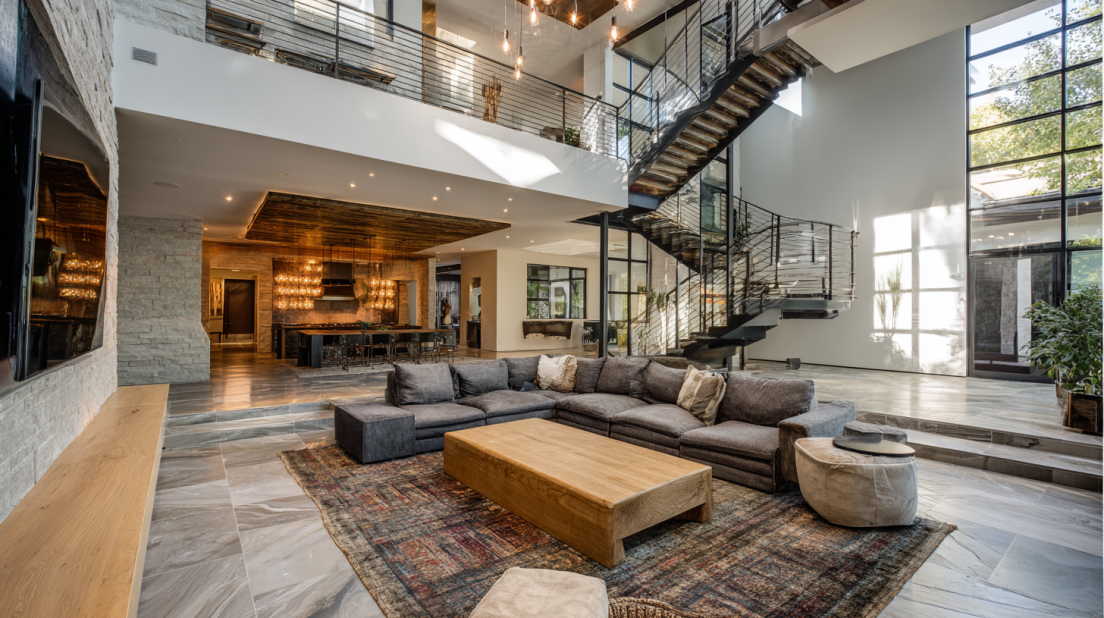
Open-plan living continues to be a prominent trend in interior architecture, providing a sense of spaciousness and continuity within a home. By removing unnecessary walls, spaces become more fluid and adaptable, allowing for greater interaction among family members. This design approach also maximizes natural light, creating a more inviting and vibrant atmosphere.
Open-plan designs often incorporate multifunctional furniture, such as foldable tables and modular seating, to further enhance the versatility of the space. This flexibility is particularly beneficial in smaller homes, where every square foot counts.
Integrating technology
Smart home technology is seamlessly integrated into open-plan spaces, offering enhanced convenience and efficiency. From automated lighting systems to voice-controlled devices, technology plays a crucial role in elevating the functionality of modern homes.
Sustainable materials
Eco-friendly choices
As sustainability becomes a priority, the use of eco-friendly materials in interior architecture is gaining traction. Reclaimed wood, recycled metals, and natural stone are popular choices that not only reduce environmental impact but also add unique textures and character to living spaces.
These materials are often chosen for their durability and low maintenance, making them ideal for busy households. In addition, sustainable materials contribute to healthier indoor environments by minimizing the use of harmful chemicals and pollutants.
Smart storage solutions
Effective storage solutions are essential in creating functional homes. Innovative designs, such as built-in shelving and concealed cabinets, help keep spaces organized and clutter-free. These solutions are particularly important in urban settings, where space is at a premium.
Practical steps to enhance functionality
- Optimize layout: Design spaces that promote easy movement and flow.
- Incorporate multipurpose furniture: Use pieces that can serve several functions.
- Utilize vertical space: Install shelves and cabinets that take advantage of wall height.
- Integrate technology: Implement smart devices for increased efficiency.
- Choose sustainable materials: Opt for eco-friendly and durable options.
- Plan for flexibility: Design adaptable spaces that can evolve with changing needs.
Key data & statistics
| Indicator | Value / Result | Interpretation |
|---|---|---|
| Open-plan adoption | 70% of new homes | Reflects growing preference for open and flexible spaces. |
| Sustainable materials usage | 45% increase | Indicates a shift towards eco-friendly building practices. |
| Smart home installations | 30% growth annually | Highlighting the increasing integration of technology. |
| Space optimization demand | 60% of urban homes | Emphasizes the need for efficient use of space in cities. |
Practical tips for functional interior design
Creating a functional home involves more than just choosing the right furniture and decor. It requires careful planning and an understanding of how each element contributes to the overall functionality of the space. By following practical tips, homeowners can ensure their spaces are both beautiful and efficient.
One common mistake is overlooking the importance of storage. Without adequate storage solutions, even the most elegantly designed homes can become cluttered and disorganized. Additionally, failing to consider the flow of movement through a space can lead to inefficiencies and frustration.
Tips for success
- Start with a plan: Outline your needs and priorities before beginning.
- Focus on flow: Ensure that movement between rooms is seamless.
- Incorporate technology: Use smart devices to enhance daily tasks.
- Prioritize storage: Implement solutions that keep spaces tidy.
- Choose durable materials: Opt for quality over quantity to ensure longevity.
Pros and cons of current trends
| Pros | Cons |
|---|---|
| Increased flexibility | Potential for noise pollution |
| Improved natural lighting | May require structural changes |
| Enhanced interaction | Privacy can be compromised |
| Eco-friendly materials | Higher upfront costs |
Similar articles you might find interesting
❓ Frequently Asked Questions
What are the key trends in interior architecture?
Key trends include open-plan living, sustainable materials, smart technology integration, and innovative storage solutions. These trends focus on enhancing functionality and aesthetics in homes.
How does open-plan living enhance home functionality?
Open-plan living enhances functionality by removing barriers, creating fluid spaces that promote interaction and maximize natural light. It also allows for greater adaptability in room usage.
Why are sustainable materials important?
Sustainable materials are important because they reduce environmental impact, contribute to healthier indoor air quality, and often provide greater durability and aesthetic appeal.
What role does technology play in modern homes?
Technology enhances convenience and efficiency in modern homes through smart devices that automate tasks, improve energy management, and provide entertainment and security features.
How can storage solutions improve home functionality?
Effective storage solutions reduce clutter, improve organization, and make spaces more functional by utilizing every available inch, particularly in smaller homes.