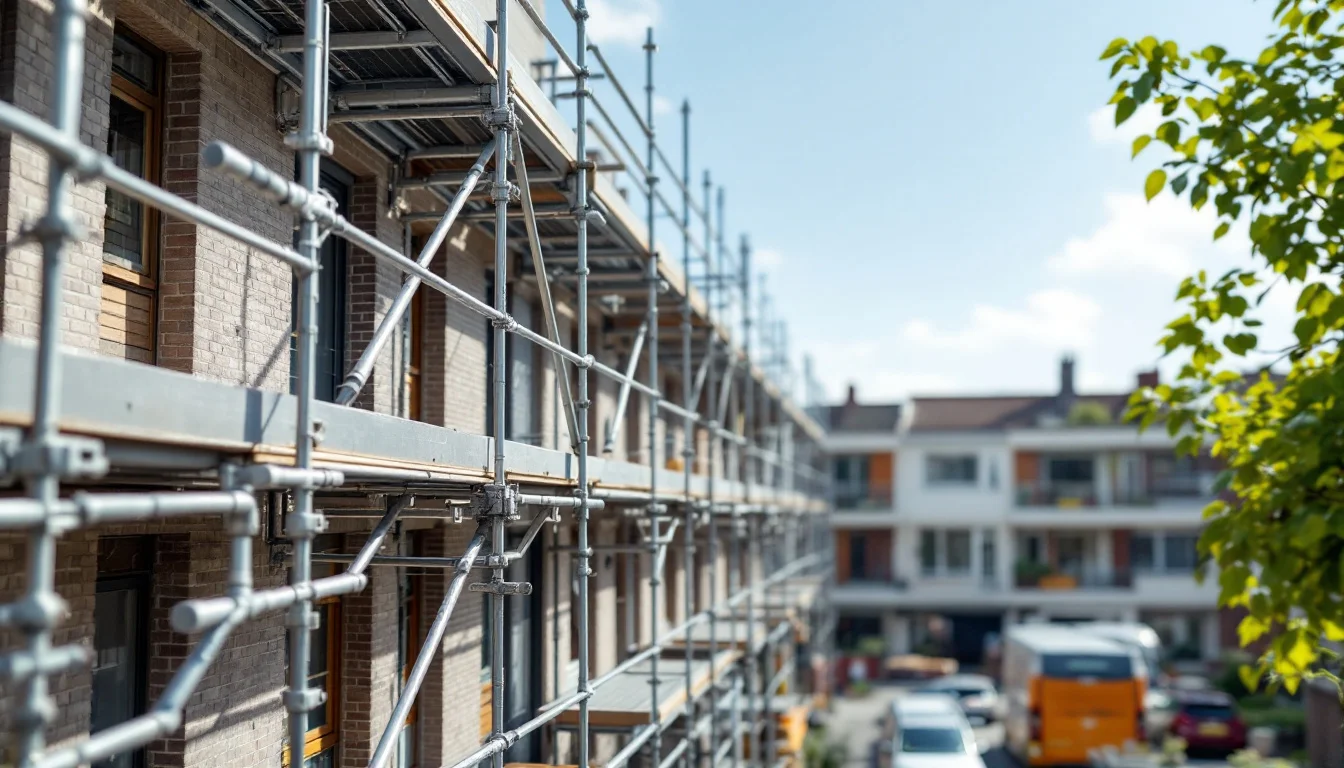
In today’s rapidly evolving construction industry, the need for durable buildings is more pressing than ever. With increasing environmental challenges and the demand for sustainable solutions, architects and engineers are tasked with devising structures that not only withstand the test of time but also harmonize with their surroundings. This article delves into the essential structural techniques that ensure the longevity and resilience of modern buildings, offering insights into innovative practices that are shaping the future of construction.

Through this comprehensive guide, readers will gain an understanding of the critical components involved in constructing durable buildings. From foundational principles to cutting-edge materials and design strategies, this article provides valuable knowledge essential for anyone involved in the construction and architectural fields. By mastering these techniques, professionals can enhance the structural integrity of their projects and contribute to a more sustainable built environment.

Comprehensive guide to building durability

Durability in building construction is a multi-faceted challenge that requires a deep understanding of materials, design, and environmental influences. A robust building not only resists wear and tear over time but also maintains its functionality and aesthetics. In this section, we explore the key strategies and technologies that contribute to building durability.

Foundational design and material selection

Importance of a strong foundation

The foundation is the bedrock of any building, literally and figuratively. A well-designed foundation ensures stability and distributes structural loads effectively. Engineers often conduct extensive soil analysis to determine the appropriate foundation type, such as slab, crawl space, or basement. Concrete remains the preferred material for foundations due to its strength and versatility. Innovations like reinforced and pre-stressed concrete further enhance durability, providing resistance against seismic activities and soil movement.

Another critical aspect is waterproofing. Proper waterproofing techniques protect the foundation from moisture-related issues, which can lead to cracks and weakening of the structure. Techniques such as installing drainage systems and using water-resistant barriers are essential in maintaining the integrity of the foundation.

Selection of weather-resistant materials

Choosing the right materials is paramount for building longevity. Materials should be selected based on the local climate and environmental conditions. For instance, in coastal areas, corrosion-resistant materials such as galvanized steel or treated wood are recommended to combat the effects of saltwater exposure. In regions prone to extreme weather, materials capable of withstanding high winds and temperature fluctuations, like fiber cement siding and impact-resistant glass, are ideal.

Innovative design strategies

Implementing passive design techniques

Passive design strategies contribute significantly to the durability and sustainability of buildings. These techniques leverage natural resources such as sunlight and wind to reduce energy consumption and enhance comfort. For example, strategically placing windows to maximize natural light and using thermal mass to regulate indoor temperatures can reduce the need for artificial heating and cooling. This not only extends the lifespan of mechanical systems but also reduces the building’s carbon footprint.

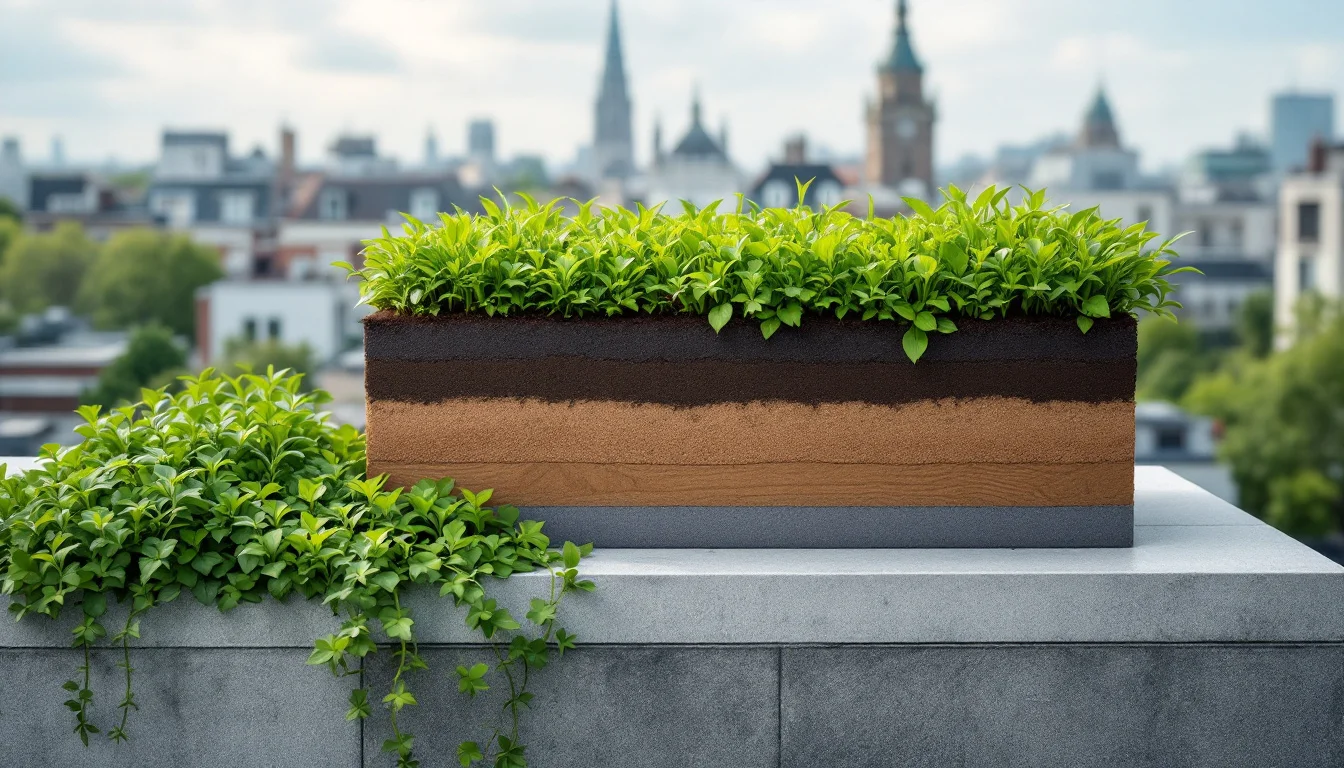
Additionally, incorporating elements like green roofs and rain gardens can manage stormwater effectively, reducing water runoff and erosion. This not only protects the building’s foundation but also contributes to the overall environmental health of the area.

Cutting-edge construction technologies

Advancements in construction technology continue to revolutionize the industry. Techniques such as 3D printing and modular construction are gaining traction for their efficiency and precision. 3D printing allows for the creation of complex structures with minimal waste, while modular construction offers quick assembly with consistent quality control.

Practical steps for ensuring durability

  1. Conduct thorough site analysis: Understand the environmental conditions and soil characteristics before construction.
  2. Choose appropriate materials: Select materials that align with the local climate and building requirements.
  3. Incorporate advanced technologies: Use innovative construction methods to improve efficiency and precision.
  4. Regular maintenance: Schedule routine inspections and upkeep to address wear and tear promptly.
  5. Implement sustainable practices: Use renewable resources and energy-efficient systems to enhance building performance.

Key data & statistics on building durability

Indicator Value / Result Interpretation
Concrete lifespan 75-100 years Concrete can last a century with proper maintenance.
Steel durability 50-100 years Steel structures offer significant longevity with protection against corrosion.
Brick longevity 100+ years Brick is a highly durable material with a long lifespan.
Wood lifespan (treated) 40-50 years Treated wood can withstand environmental challenges.
Energy savings from passive design 30-70% Significant reduction in energy consumption through passive design techniques.

Practical tips for long-lasting structures

Ensuring the durability of a building requires attention to detail and a proactive approach. By following practical tips, builders and architects can significantly extend the lifespan of their structures, providing value and safety for occupants. This section offers actionable advice for achieving lasting durability in construction projects.

Common pitfalls in building durability often stem from neglecting maintenance and overlooking environmental factors. By understanding these challenges, professionals can devise strategies to mitigate risks and enhance the structural integrity of their projects. Here are some practical tips to consider:

Tips for success in building durability

  • Regular inspections: Conduct regular inspections to identify and address potential issues early.
  • Invest in quality materials: Use high-quality, durable materials that are suited to the building’s environment.
  • Focus on design efficiency: Optimize designs to reduce stress on structural components.
  • Implement smart technology: Incorporate smart systems for monitoring building conditions.
  • Educate occupants: Provide guidance to occupants on maintaining building systems.

Pros and cons of structural techniques

Pros — in English Cons — in English
Enhanced longevity and resilience. Higher initial construction costs.
Reduced maintenance requirements over time. Potential for increased complexity in design.
Improved energy efficiency. May require specialized labor and skills.
Positive environmental impact. Limited material availability in some regions.
Increased safety for occupants. Longer time to complete construction.

❓ Frequently asked questions about durable buildings

What is the most durable building material?

Concrete is often considered the most durable building material due to its strength and longevity. When reinforced or pre-stressed, it can withstand significant environmental stresses and has a lifespan of 75 to 100 years.

How can buildings withstand natural disasters?

To withstand natural disasters, buildings can be designed with reinforced frameworks, flexible foundations, and impact-resistant materials. Incorporating features like shock absorbers and using materials that dissipate energy can further enhance resilience.

Are green roofs beneficial for durability?

Yes, green roofs can enhance building durability by providing additional insulation, reducing stormwater runoff, and protecting the roof membrane from UV radiation and extreme temperatures, which can extend the roof’s lifespan.

What role does maintenance play in building durability?

Regular maintenance is crucial for building durability. It helps identify and rectify issues before they escalate, ensuring that structural components and systems remain in optimal condition, thereby extending the building’s lifespan.

Can technology improve building durability?

Yes, technology can significantly enhance building durability through smart systems that monitor and maintain building conditions, as well as innovative construction methods like 3D printing and modular building that ensure precision and quality.

Share this post
Facebook
Twitter
LinkedIn
WhatsApp

Your email address will not be published. Required fields are marked *

Related posts