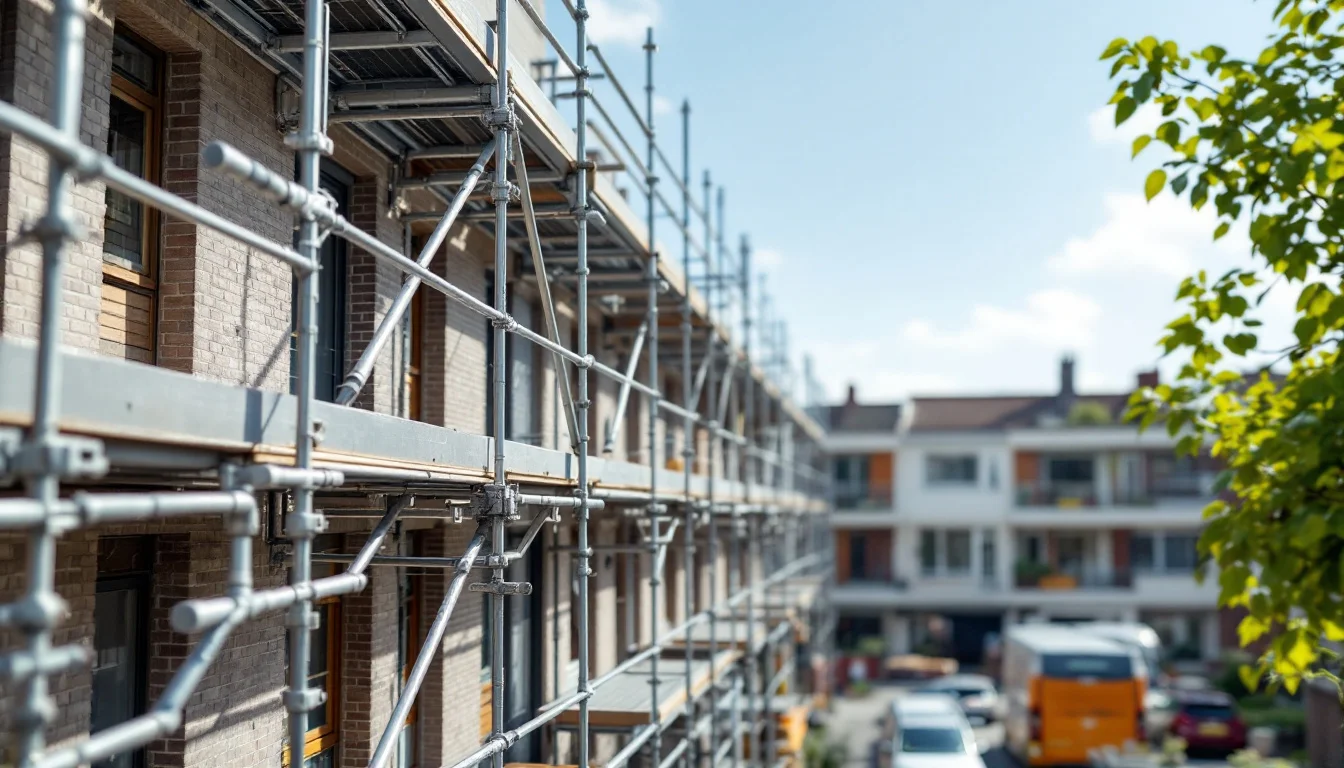
Ensuring structural safety in construction projects is a critical aspect that cannot be overlooked. The integrity of a building relies heavily on its structural safety, which not only protects the investment but also ensures the well-being of its occupants. From natural disasters to human errors, various factors can jeopardize structural safety, making it a top priority for architects, engineers, and builders. This article delves into the essential strategies, practices, and standards that must be followed to achieve structural safety in any construction project.
In this comprehensive guide, you will learn the key components necessary for maintaining structural safety. From foundational principles to advanced techniques, this article covers the entire spectrum of what it takes to ensure that a structure is safe and durable. Understanding these elements is crucial for professionals involved in construction, as it can prevent catastrophic failures and ensure compliance with safety regulations.
Complete guide to ensuring structural safety
Structural safety is paramount in construction, as it determines the longevity and reliability of a building. This section explores various factors, from design principles to material selection, that play a vital role in maintaining structural integrity.
Design considerations
Load calculations
Accurate load calculations are fundamental to structural safety. Engineers must consider dead loads, live loads, and environmental loads, such as wind or seismic forces. This involves using sophisticated software and adhering to international standards to ensure that the structure can withstand anticipated stresses. For example, the American Society of Civil Engineers provides guidelines that help in calculating these loads effectively.
Proper load calculations prevent overloading, which can lead to structural failure. It is essential for engineers to continuously update their methods and tools to reflect current scientific understanding and technological advancements.
Seismic design
In earthquake-prone areas, seismic design becomes crucial. This involves designing structures that can absorb and dissipate seismic energy, minimizing damage. Techniques such as base isolation and energy dissipating devices are commonly used. According to FEMA, adhering to seismic building codes can significantly reduce the risk of structural collapse during an earthquake.
Material selection
Quality assurance
The selection of building materials directly impacts the structural safety of a project. Quality assurance processes must be in place to ensure that materials meet regulatory standards and are suitable for their intended use. This includes testing for strength, durability, and resistance to environmental factors.
Using substandard materials can lead to premature deterioration and increased maintenance costs. Therefore, builders must source materials from reputable suppliers and regularly inspect them for compliance.
Construction practices
Adhering to best construction practices is essential for ensuring structural safety. This includes following established safety protocols, maintaining clear communication among project stakeholders, and conducting regular site inspections. Quality control processes should be implemented at every stage of construction to identify and rectify issues promptly.
Practical steps for structural safety
- Conduct thorough site investigations: Assess soil conditions, water table levels, and environmental hazards before construction begins.
- Implement rigorous design reviews: Regularly review designs to identify potential weaknesses and ensure compliance with safety standards.
- Use advanced modeling software: Utilize software for simulations and analyses to predict how the structure will respond to various stresses.
- Engage qualified professionals: Ensure that all personnel involved in the project possess the necessary qualifications and experience.
- Monitor construction processes: Continuously monitor construction activities to ensure adherence to plans and safety protocols.
- Conduct regular inspections: Schedule inspections throughout the construction process to catch any discrepancies early on.
Key data & statistics on structural safety
| Indicator | Value / Result | Interpretation |
|---|---|---|
| Seismic design compliance | 85% of new buildings | Increased adoption of seismic standards reduces potential earthquake damage. |
| Material failure rate | 2% in compliant buildings | Low failure rates indicate effective quality assurance practices. |
| Annual inspection frequency | 95% of projects | Regular inspections ensure ongoing maintenance of structural integrity. |
| Adherence to load standards | 90% compliance | High compliance with load standards minimizes risk of structural overload. |
| Use of advanced modeling | 78% of projects | Widespread use of modeling software improves design accuracy and safety. |
Practical tips for maintaining structural safety
Implementing practical tips for structural safety ensures the longevity and reliability of construction projects. These tips help professionals navigate common challenges and avoid costly mistakes. By incorporating these strategies, you can enhance the structural integrity of any building.
Understanding the nuances of structural safety is essential for construction professionals. It involves more than just adhering to codes; it requires proactive measures, ongoing education, and a commitment to quality. Avoiding shortcuts and ensuring thorough documentation can prevent future issues and foster a culture of safety on the construction site.
Tips for success in construction safety
- Prioritize regular training: Keep your team updated on the latest safety protocols and technologies.
- Establish clear communication: Ensure all team members understand their roles and responsibilities in maintaining safety.
- Invest in technology: Utilize the latest tools and software to enhance design and construction processes.
- Conduct after-action reviews: Analyze completed projects to identify lessons learned and areas for improvement.
- Maintain comprehensive records: Document all phases of construction to provide a clear audit trail and facilitate future maintenance.
Pros and cons of current safety practices
| Pros | Cons |
|---|---|
| Improved safety outcomes | Increased initial costs |
| Enhanced building longevity | Longer project timelines |
| Reduced liability risks | Complex regulatory compliance |
| Better project reputation | Requires ongoing training |
| Higher client satisfaction | Potential technology integration issues |
Explore similar articles
Discover more about sustainable architecture and functional design by exploring our related articles:
❓ Frequently Asked Questions
What is the importance of structural safety?
Structural safety is crucial for ensuring the durability and reliability of a building. It protects occupants and investment, and prevents catastrophic failures that can result from natural or human-induced events.
How can engineers ensure structural safety?
Engineers can ensure structural safety by conducting accurate load calculations, adhering to building codes, selecting high-quality materials, and following best construction practices. Regular inspections and the use of advanced technology also play a critical role.
What role do building codes play in structural safety?
Building codes establish the minimum standards for construction to ensure safety, health, and welfare. They provide guidelines for design, materials, and construction methods, which help in maintaining structural integrity and preventing failures.
What are common challenges in maintaining structural safety?
Common challenges include adapting to new technologies, ensuring compliance with evolving codes, managing costs, and coordinating among various stakeholders. Consistent training and communication are also crucial to overcoming these challenges.
How does technology impact structural safety?
Technology impacts structural safety by providing advanced tools for design and analysis, improving accuracy and efficiency in construction processes, and enabling real-time monitoring of structural health. This leads to better decision-making and enhanced safety outcomes.
Why is material selection important?
Material selection is important because it affects the strength, durability, and performance of a structure. Using high-quality materials that meet regulatory standards helps prevent premature failures and reduces long-term maintenance costs.