
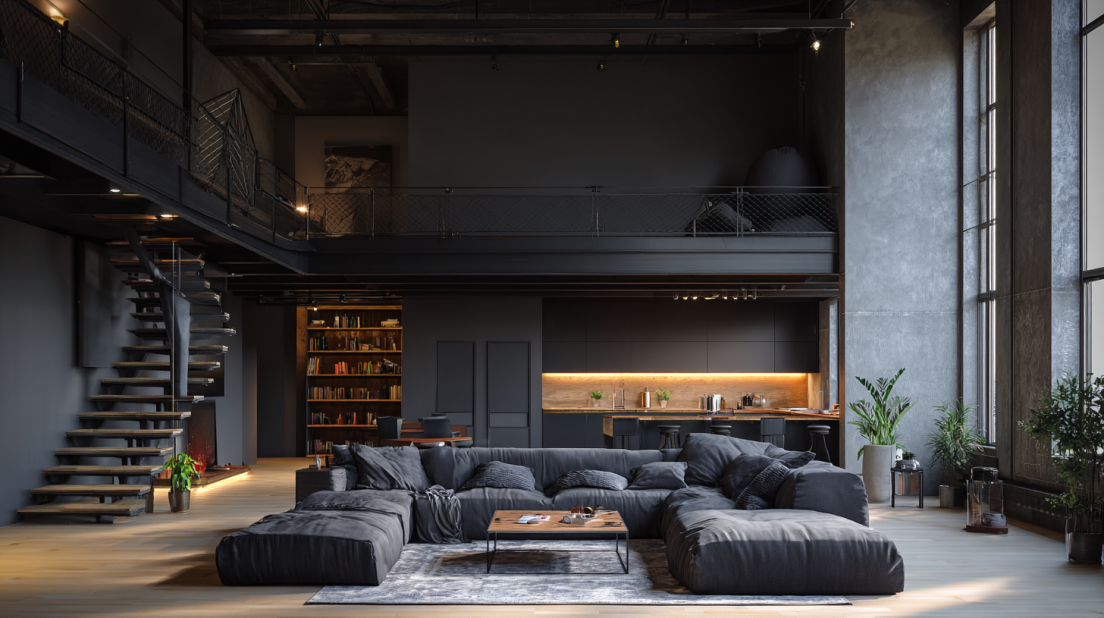
In today’s world, where urban spaces are becoming increasingly cramped, smart space planning is essential for creating comfortable and functional living environments. By optimizing the use of available space, homeowners and architects can transform small or awkward areas into efficient, aesthetically pleasing homes. This not only enhances the quality of life but also increases property value and sustainability.
This article will explore innovative space planning techniques that are key to better living. From maximizing storage solutions to creating multifunctional spaces, readers will learn practical approaches to efficient space utilization. These techniques are crucial for anyone looking to optimize their living environment, whether in a small apartment or a larger home.
Complete guide to smart space planning
Smart space planning involves carefully considering how space is used and finding creative solutions to make it more functional. This guide will delve into essential strategies to help you make the most of your living space.
Maximizing storage solutions
Built-in storage
Built-in storage is an effective way to save space while keeping your home organized. By integrating storage into walls, under stairs, or even within furniture, you can use every inch efficiently. For example, installing shelves above doorways or creating pull-out drawers under staircases can significantly increase storage without occupying additional floor space.
Additionally, built-in storage can be customized to fit your specific needs. Consider installing adjustable shelving or modular units that can be reconfigured as your needs change, ensuring long-term functionality.
Multi-functional furniture
Multi-functional furniture is another excellent solution for space-saving. Pieces like sofa beds, extendable dining tables, and storage ottomans serve dual purposes, reducing the need for extra furniture. This not only saves space but also adds versatility to your living areas.
Creating multifunctional spaces
Open-plan living
Open-plan living is a popular trend that combines different functional areas into one cohesive space. By removing unnecessary walls, you can create a sense of openness and flow, making even small spaces feel larger. This layout is particularly effective for modern living, where flexibility and adaptability are essential.
To maintain a sense of separation between different areas, consider using furniture, rugs, or lighting to define specific zones within an open-plan space. This approach allows you to enjoy the benefits of an open layout while retaining functionality.
Enhancing natural light
Natural light can make a significant difference in how spacious a room feels. Maximizing natural light involves strategic window placement, using mirrors to reflect light, and choosing light-colored walls and furnishings. These techniques can brighten a space, making it appear larger and more inviting.
Practical steps for space optimization
- Evaluate needs: Assess your daily activities and prioritize the spaces accordingly.
- Declutter regularly: Keep only essential items to maintain a tidy environment.
- Invest in modular furniture: Choose pieces that can adapt to your changing needs.
- Use vertical space: Install tall shelves or hanging storage to maximize floor space.
- Incorporate sliding doors: Save space by using sliding rather than swinging doors.
- Choose light colors: Opt for light-hued walls and furnishings to enhance the sense of space.
Key data & statistics
| Indicator | Value / Result | Interpretation |
|---|---|---|
| Average home size | 120 m² | Smaller homes require smarter space planning. |
| Storage needs | 30% increase | Demand for storage solutions is on the rise. |
| Open-plan popularity | 60% of new homes | Open-plan living is increasingly favored. |
| Natural light impact | Improves mood by 20% | Enhancing natural light benefits well-being. |
| Furniture sales | 40% multi-functional | Consumers prefer versatile furniture options. |
Practical tips for space planning
Practical tips can help streamline space planning efforts, making homes more efficient and comfortable. These insights are invaluable for anyone looking to redesign or renovate their living space.
Often, homeowners overlook the potential of minor adjustments that can lead to significant improvements. For instance, rearranging furniture or rethinking storage placement can drastically change the functionality and appearance of a room. Avoiding common pitfalls like overcrowding and poor lighting is essential for effective space planning.
Tips for success
- Plan before buying: Know your space needs before purchasing new furniture.
- Think vertically: Use vertical storage to free up floor space.
- Embrace minimalism: Less clutter creates an open, airy feel.
- Focus on flow: Arrange furniture to facilitate easy movement.
- Personalize it: Tailor your space to reflect your lifestyle and preferences.
Pros and cons of smart space planning
| Pros — in English | Cons — in English |
|---|---|
| Enhanced functionality | Initial costs can be high |
| Increased property value | May require professional help |
| Improved aesthetics | Time-consuming process |
| Greater flexibility | Can be overwhelming |
| Better organization | Requires maintenance |
Similar articles
❓ Frequently Asked Questions
Why is smart space planning important?
Smart space planning is crucial because it maximizes the utility of available space, enhances living comfort, and can increase property value. It ensures that every square meter is used efficiently, improving both functionality and aesthetics.
How can I incorporate space-saving furniture?
To incorporate space-saving furniture, look for multi-functional pieces like sofa beds or extendable tables. Consider custom-built furniture that fits your specific needs and space constraints, optimizing both storage and usability.
What are some common mistakes in space planning?
Common mistakes include overcrowding, neglecting vertical space, and poor lighting. These can make spaces feel cramped and less functional. Effective planning should focus on balance and adaptability, considering flow and light.
Can space planning improve energy efficiency?
Yes, strategic space planning can enhance energy efficiency by optimizing natural light and airflow. Implementing energy-efficient appliances and materials further contributes to a reduction in energy consumption.
Is professional help necessary for space planning?
While DIY approaches are possible, professional help is often beneficial for complex projects. Experts can provide tailored solutions, ensuring that space is utilized effectively and aesthetically, aligning with your specific needs.
How does space planning affect property value?
Effective space planning can significantly enhance property value by making homes more functional and appealing to potential buyers. Well-planned spaces often attract higher market interest and can lead to better resale prices.