The construction sector is at a crossroads, with builders and architects choosing between traditional and modern methodologies. Each approach has its own merits and challenges, impacting project costs, timelines, and sustainability. The decision is critical, as it determines not only the architectural aesthetics but also the functionality and durability of the building. Understanding these methods is imperative for anyone involved in construction, from homeowners to large-scale developers.
This article delves into the intricacies of traditional and modern construction methods, providing a comprehensive guide to understanding their differences. You’ll learn about the materials used, the speed of construction, environmental impacts, and how each method can be applied to meet specific building requirements. This knowledge equips you with the tools to make informed decisions for your construction projects.
Complete guide to traditional vs modern construction methods
Construction methods have evolved significantly over the years, driven by technological advancements and changing needs. This section explores the fundamental differences between traditional and modern construction methods, offering insights into which approach may be more suitable for your project.
Traditional construction methods
Materials and techniques
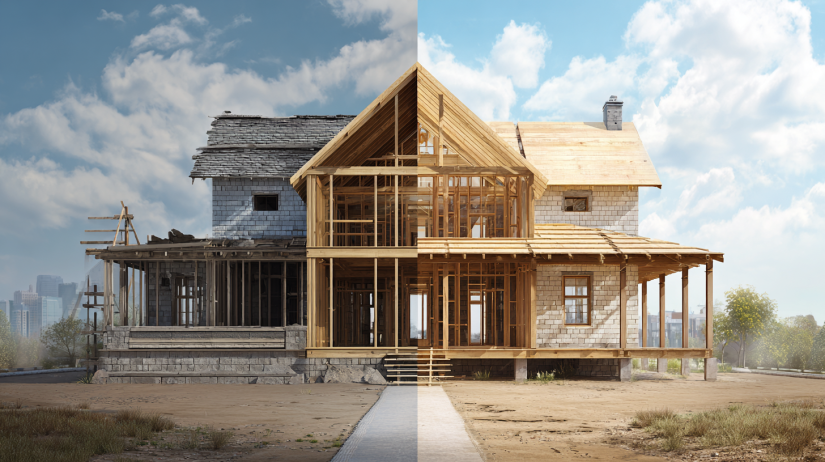
Traditional construction methods often rely on materials like brick, stone, and timber, utilizing techniques that have been honed over centuries. Such methods are revered for their durability and timeless appeal. For example, brick-and-mortar construction offers excellent thermal mass, providing natural insulation and energy efficiency. Timber frame construction, another traditional method, allows for flexibility and a degree of seismic resistance.
Despite their advantages, traditional methods can be labor-intensive and time-consuming. Skilled labor is essential, which can increase costs. Additionally, sourcing high-quality natural materials might be challenging, impacting both budget and timelines.
Design flexibility
Traditional construction methods offer limited design flexibility compared to modern techniques. The use of rigid materials can make complex architectural designs difficult to implement. However, the craftsmanship involved often results in structures with character and aesthetic value that are hard to replicate with modern techniques.
Modern construction methods
Innovative materials
Modern construction methods embrace innovative materials such as steel, glass, and prefabricated components. These materials offer advantages in terms of strength and versatility. Steel, for instance, allows for the creation of large spans and open spaces without the need for supporting walls, enabling more flexible and dynamic interior layouts.
Prefabrication is another hallmark of modern construction, where components are manufactured off-site and assembled on-site. This reduces construction time significantly and minimizes site disturbance.
Technological integration
Smart technologies
Modern construction methods often integrate smart technologies, enhancing building performance and occupant comfort. Smart sensors can monitor energy usage, adjust lighting and temperature, and even alert maintenance teams to potential issues. These technologies offer significant long-term cost savings and sustainability benefits.
Adopting smart technologies requires upfront investment and expertise in installation and maintenance, which can be a barrier for some projects. However, the potential for operational efficiency and improved building performance often justifies the initial costs.
Practical steps in choosing a construction method
- Assess project requirements: Evaluate the specific needs and goals of your construction project.
- Consider budget constraints: Determine financial limits and allocate resources accordingly.
- Evaluate site conditions: Analyze the physical and environmental characteristics of the site.
- Factor in sustainability: Prioritize eco-friendly materials and methods for long-term benefits.
- Consult experts: Engage with architects and engineers to gain professional insights.
Key data & statistics
| Indicator | Value / Result | Interpretation |
|---|---|---|
| Construction speed | 30% faster for modern methods | Prefabrication and technology integration reduce time. |
| Labor cost | 15% higher for traditional methods | Skilled labor increases expenses. |
| Sustainability | 40% more efficient with modern methods | Use of eco-friendly materials and technology. |
| Design flexibility | Higher in modern methods | Advanced materials allow for more complex designs. |
Practical tips for choosing the right construction method
Choosing the right construction method is crucial for the success of your building project. The following practical tips will guide you in making an informed decision that aligns with your goals and circumstances.
Whether you are managing a small residential project or a large commercial development, understanding the nuances of each method can save time and money while ensuring the desired outcome. Avoiding common pitfalls, such as underestimating costs or neglecting site-specific conditions, is key to a successful build.
Tips for success
- Plan thoroughly: Comprehensive planning prevents unforeseen issues.
- Prioritize quality: Opt for quality materials to ensure durability.
- Embrace technology: Use digital tools for better project management.
- Monitor progress: Regularly review project milestones to stay on track.
- Adapt to changes: Be flexible and respond to new information promptly.
Pros and cons of traditional and modern methods
| Pros | Cons |
|---|---|
| Traditional methods offer timeless aesthetics. | They can be labor-intensive and costly. |
| Modern methods are faster and more efficient. | They may require higher upfront investment. |
| Traditional materials are often durable. | Limited design flexibility with traditional methods. |
| Modern methods integrate smart technologies. | Technical expertise is required for modern methods. |
Explore similar articles
Modern residential architecture trends for sustainability
How to design functional and aesthetic homes
Key principles of successful commercial building design
How to plan efficient commercial spaces for businesses
❓ Frequently Asked Questions
What are the main differences between traditional and modern construction methods?
Traditional methods use natural materials like brick and stone, focusing on craftsmanship and durability, while modern methods use innovative materials and technologies for efficiency and flexibility.
Are modern construction methods more sustainable?
Yes, modern construction methods often incorporate eco-friendly materials and technologies that reduce carbon footprints and increase energy efficiency, making them more sustainable.
Can traditional methods be combined with modern technologies?
Absolutely. Many projects today blend traditional craftsmanship with modern technologies to achieve the best of both worlds, enhancing aesthetics while benefiting from technological advancements.
Which method is more cost-effective?
Modern methods can be more cost-effective due to shorter construction times and less labor. However, the initial investment can be higher due to technology and materials costs.
What factors should influence the choice between traditional and modern methods?
Consider factors like budget, sustainability goals, site conditions, project size, and desired aesthetics. Consulting with industry professionals can provide valuable insights.