
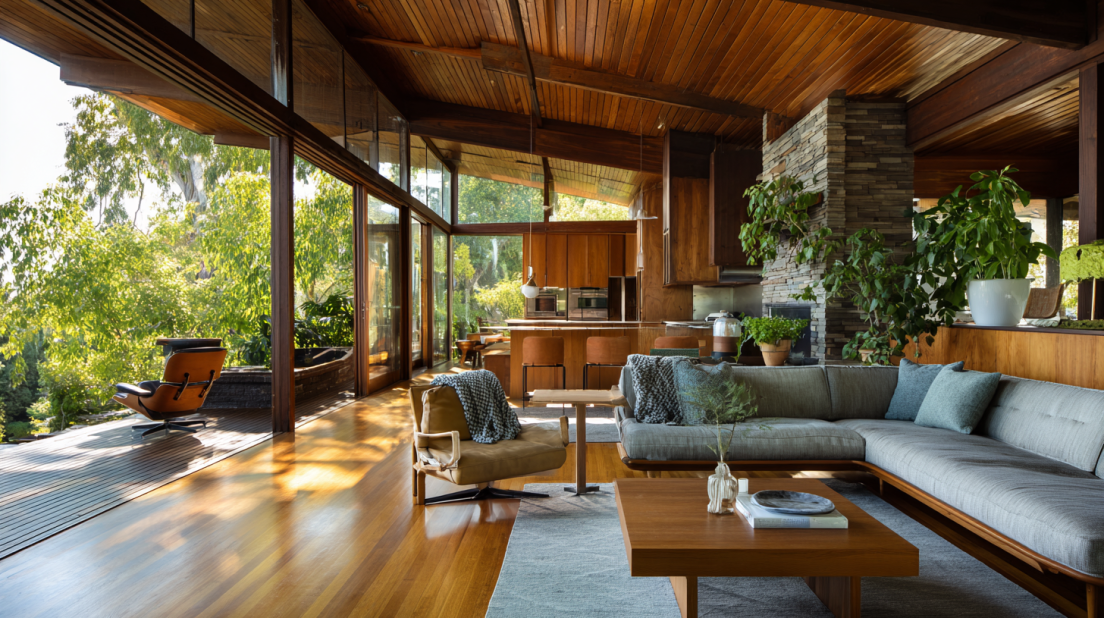
Designing a home that is both functional and aesthetic is a challenging yet rewarding task. As our living spaces become more significant in our daily lives, balancing beauty with practicality is essential. A well-designed home can improve the quality of life, enhance mood, and even contribute to better health outcomes. Understanding the elements that make a home both functional and visually appealing is key to achieving a harmonious living environment.
In this article, we will explore strategies and principles for designing homes that meet both aesthetic desires and functional needs. From layout planning to choosing materials and finishes, we’ll cover everything you need to know to create a space that’s both beautiful and livable.
Guide to designing functional and aesthetic homes
Creating a home that marries function and aesthetics involves thoughtful planning and execution. This section will discuss the key elements and steps in designing such homes, offering insights and actionable advice for homeowners and designers alike.
Understanding the needs and purpose
Identifying lifestyle requirements
The first step in designing a functional and aesthetic home is understanding the specific needs and lifestyle of the occupants. Considerations include the number of occupants, their daily routines, and any special requirements, such as home offices or entertainment spaces. By identifying these needs early, you can ensure that the design caters to them effectively.
For example, a family with young children may require more open spaces and storage solutions, while a couple working from home might prioritize separate office spaces. Tailoring the home to these needs ensures that it serves its purpose efficiently.
Determining the home’s purpose
Beyond personal preferences, understanding the broader purpose of the home is crucial. Is it a space for relaxation or entertainment? Will it host large gatherings or serve as a peaceful retreat? Defining the purpose helps guide design decisions, ensuring that each area of the home supports its intended use.
Balancing aesthetics with function
Choosing the right materials
Materials play a significant role in both the function and aesthetics of a home. Durable, high-quality materials enhance functionality, while textures and finishes contribute to the overall look. For instance, natural stone or wood can add warmth and character, while also providing durability in high-traffic areas.
When selecting materials, consider their maintenance requirements and longevity. Opt for options that blend beauty with practicality, ensuring that the home remains both attractive and functional over time.
Incorporating smart technology
Integrating smart technology can significantly enhance a home’s functionality. Smart lighting, climate control systems, and security features provide convenience and improve energy efficiency. Moreover, these technologies can be seamlessly incorporated into the design, maintaining the home’s aesthetic appeal.
Creating cohesive and flexible spaces
Designing cohesive spaces involves ensuring that all areas of the home work together visually and functionally. This includes selecting a consistent color palette, coordinating finishes, and using complementary decor styles. Flexibility is also key, allowing spaces to adapt to changing needs.
Practical steps for effective home design
- Layout planning: Consider flow and accessibility to ensure comfort and ease of movement.
- Lighting design: Use a mix of natural and artificial lighting to enhance ambiance.
- Storage solutions: Incorporate built-in and hidden storage to maintain a clutter-free environment.
- Color coordination: Choose colors that create the desired mood and complement the overall theme.
- Furniture selection: Opt for versatile and comfortable pieces that fit the space well.
- Outdoor integration: Extend living spaces outdoors with patios or decks for added functionality.
Key data & statistics in home design
| Indicator | Value / Result | Interpretation |
|---|---|---|
| Average home size (US) | 2,301 sq ft | Reflects a preference for spacious living areas. |
| Smart home adoption | 32% of households | Increasing integration of technology for convenience. |
| Natural light preference | 78% of homeowners | Desire for energy efficiency and well-being. |
| Open floor plan popularity | 70% of new builds | Favors modern and flexible living arrangements. |
| Home renovation spending | $400 billion annually | Significant investment in improving home functionality and aesthetics. |
Practical tips for designing homes
Designing a home that balances functionality and aesthetics requires careful consideration and expertise. The following tips provide practical advice to help you achieve an ideal living space that meets your needs and delights the senses.
Understanding common pitfalls, such as prioritizing aesthetics over practicality, can help avoid costly mistakes. By focusing on essential elements and making informed decisions, you can create a home that’s both beautiful and functional.
Tips for successful home design
- Prioritize functionality: Ensure that each space is designed for its intended use.
- Maximize natural light: Use windows and skylights to enhance mood and energy efficiency.
- Incorporate green elements: Add plants and sustainable materials for health and aesthetics.
- Maintain balance: Harmonize colors, textures, and styles for a cohesive look.
- Plan for adaptability: Design flexible spaces that can evolve with changing needs.
Pros and cons of functional and aesthetic design
| Pros | Cons |
|---|---|
| Enhances quality of life | Can be costly to implement |
| Increases property value | Requires careful planning |
| Improves energy efficiency | May involve complex choices |
| Supports well-being | Potential for over-designing |
| Offers flexibility | Balancing elements can be challenging |
Related articles on home design
❓ Frequently Asked Questions
What is the importance of functionality in home design?
Functionality ensures that a home meets the daily needs of its occupants, providing comfort and efficiency. It is crucial for improving the quality of life and ensuring that the home is practical and livable.
How do aesthetics influence home design?
Aesthetics contribute to the visual appeal and atmosphere of a home, affecting mood and perception. A well-designed aesthetic can enhance a home’s attractiveness and create a welcoming environment.
Can technology improve home functionality?
Yes, smart technology can enhance functionality by automating tasks, improving energy efficiency, and providing convenience. This includes smart lighting, thermostats, and security systems.
What are common mistakes in home design?
Common mistakes include neglecting functionality for aesthetics, poor space planning, and overlooking storage needs. Ensuring a balanced approach can mitigate these issues.
How can I make my home more sustainable?
Incorporating energy-efficient appliances, using sustainable materials, and adding insulation can improve sustainability. Consider also adding renewable energy sources like solar panels.
What role do colors play in home design?
Colors affect mood and perception. Choosing the right color palette can create desired atmospheres, such as calm or energetic, and enhance the overall aesthetic appeal of a space.
Is it possible to design a home without professional help?
While possible, designing a home without professional help can be challenging. Professionals offer expertise and experience that can ensure a successful outcome, balancing both function and aesthetics.