Embarking on an architectural project is a complex journey that involves meticulous planning and creativity. Understanding the architectural design process is vital for ensuring successful outcomes in building projects, whether residential or commercial. With the right approach, architects can transform visionary ideas into tangible structures that meet client expectations and comply with local regulations.
This guide will walk you through the architectural design process step-by-step, offering insights into each phase. By the end of this article, you will have a comprehensive understanding of the key stages involved and why they matter in achieving functional and aesthetically pleasing architecture.
Comprehensive guide to the architectural design process
The architectural design process is a structured approach that architects use to develop a successful building project. This process is essential for transforming an initial concept into a finished structure that is not only functional but also aesthetically appealing.
Conceptualisation
Initial client meetings
The process begins with understanding the client’s needs and vision for the project. During initial meetings, architects gather essential information regarding the client’s requirements, budget, and site constraints. This stage is crucial as it sets the foundation for all subsequent design decisions.
Architects often use sketches and mood boards to help clients visualise potential ideas. These tools facilitate discussions and ensure that the architect’s vision aligns with the client’s expectations.
Site analysis
Conducting a thorough site analysis is the next step. Architects evaluate the site’s topography, climate, and surrounding environment to ensure the design complements its location. This analysis helps identify potential challenges, such as zoning restrictions or environmental concerns, that could impact the project.
Design development
Schematic design
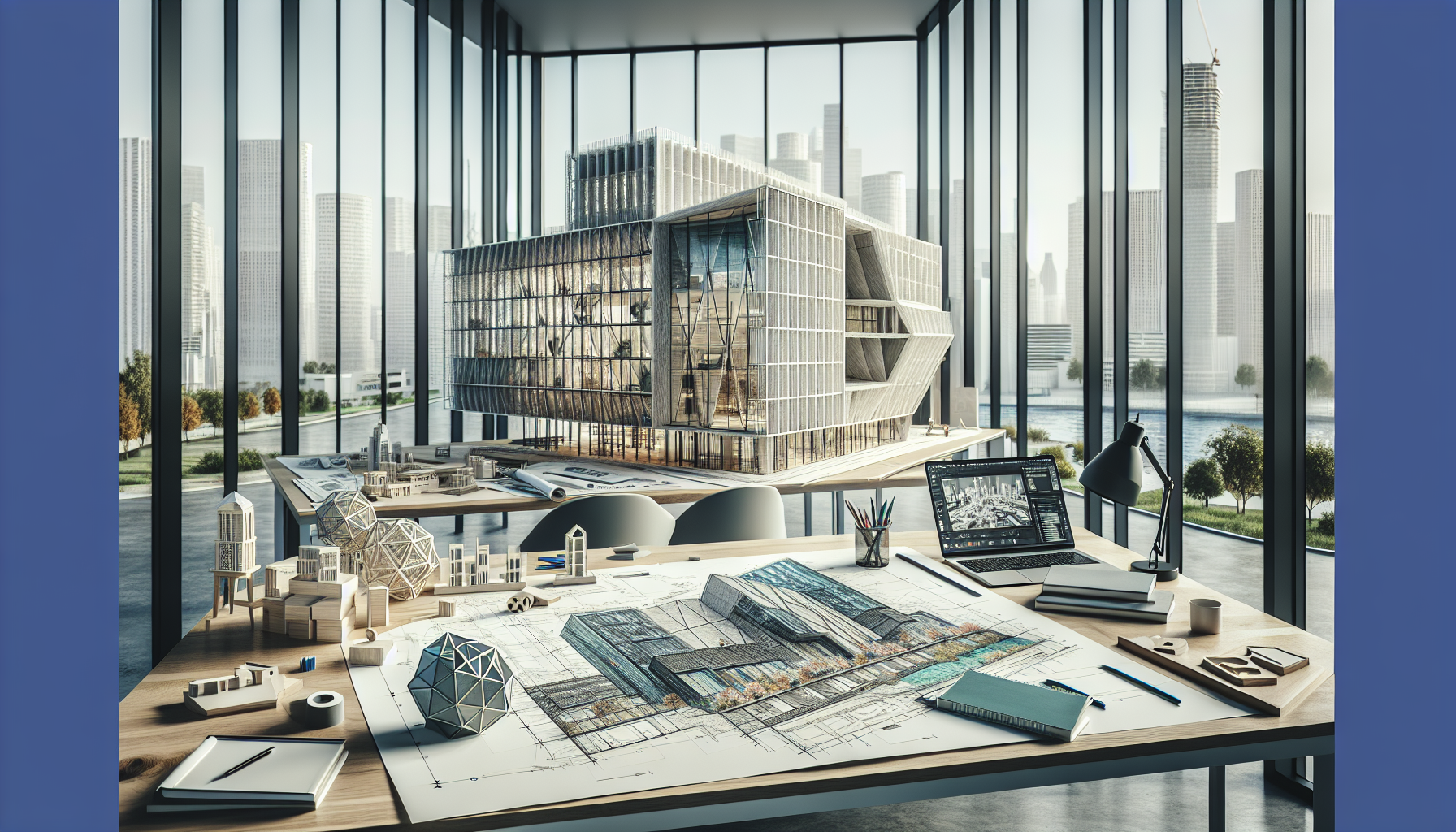
Once the conceptual phase is complete, architects create schematic designs. This involves developing floor plans, elevations, and other drawings that illustrate the building’s layout and form. These initial designs give an overall sense of the project’s scale and spatial relationships but are still open to changes.
At this stage, architects often use digital models to explore different design options. This flexibility allows them to refine their ideas and address any issues before moving forward.
Technical design
Detailed design and documentation
After finalising the schematic design, architects proceed to detailed design. They create comprehensive drawings and specifications that outline every aspect of the building, from structural elements to interior finishes. These documents are critical for obtaining building permits and guiding construction.
The detailed design phase requires collaboration with engineers and consultants to ensure all technical aspects are addressed. This coordination helps prevent costly errors and delays during construction.
Construction and execution
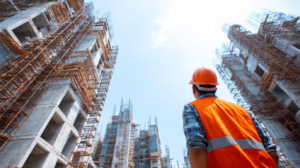
With detailed plans in hand, the project moves into the construction phase. Architects oversee the building process, ensuring that contractors adhere to the design specifications and address any issues that arise. Regular site visits and inspections are essential to maintain quality control and ensure the project stays on track.
Practical steps in the architectural design process
- Understand the client’s vision: Engage in detailed discussions to capture the client’s ideas and preferences.
- Conduct thorough site analysis: Evaluate site conditions and constraints to inform design decisions.
- Create schematic designs: Develop initial layouts and forms to explore design possibilities.
- Refine designs with digital tools: Use 3D modeling software to test and improve design concepts.
- Develop detailed documentation: Prepare comprehensive plans and specifications for construction.
- Coordinate with construction teams: Ensure all parties align with the design intent during building.
Key data & statistics in architectural design
| Indicator | Value / Result | Interpretation |
|---|---|---|
| Average project duration | 12-18 months | Varies depending on project size and complexity. |
| Cost overrun percentage | 8-10% | Common due to unforeseen site conditions or design changes. |
| Client satisfaction rate | 85% | High satisfaction indicates successful alignment with client goals. |
| Permit approval time | 3-6 months | Dependent on local regulatory processes. |
| Design change frequency | 5-7 times | Reflects the iterative nature of the design process. |
Practical tips for navigating the architectural design process
Successfully navigating the architectural design process requires strategic planning and attention to detail. By following these practical tips, architects can ensure their projects run smoothly and meet client expectations.
One common mistake is neglecting thorough site analysis, which can lead to design issues later in the process. Avoid this pitfall by prioritising detailed site evaluations early on. Additionally, maintaining clear communication with clients and stakeholders throughout the project is essential for preventing misunderstandings and ensuring alignment.
Tips for success in architectural design
- Prioritise site analysis: Conduct detailed evaluations to inform design decisions.
- Maintain clear communication: Keep open lines with clients and stakeholders to avoid misunderstandings.
- Utilise digital tools: Use 3D modeling software for testing and refining designs.
- Collaborate with experts: Work closely with engineers and consultants to address technical aspects.
- Stay adaptable: Be prepared to make design adjustments as needed to meet project goals.
Pros and cons of the architectural design process
| Pros — in English | Cons — in English |
|---|---|
| Structured approach ensures thorough planning. | Time-consuming process with many stages. |
| Facilitates creative and innovative designs. | Potential for cost overruns due to unforeseen issues. |
| Enhances client satisfaction through alignment. | Complexity can lead to communication challenges. |
| Encourages collaboration among stakeholders. | Requires significant coordination and management. |
| Ensures compliance with regulatory standards. | Lengthy permit approval processes may cause delays. |
Similar articles you may find interesting
❓ Frequently Asked Questions (FAQs) on architectural design
What is the role of an architect in the design process?
An architect’s role is to design buildings that are functional, safe, and aesthetically pleasing. They translate the client’s vision into detailed plans, oversee the construction process, and ensure compliance with regulations.
How long does the architectural design process take?
The process typically takes 12-18 months from initial concept to project completion. The duration depends on the project’s size, complexity, and regulatory requirements.
What are the key stages in the design process?
The key stages include conceptualisation, design development, technical design, and construction. Each stage involves specific tasks and collaboration with various stakeholders.
Why is site analysis important?
Site analysis is crucial for understanding the environmental and regulatory constraints of a location. It informs design decisions and helps address potential challenges early in the process.
What tools do architects use in the design process?
Architects use a variety of tools, including CAD software, 3D modeling programs, and project management platforms, to design, visualise, and manage building projects effectively.
How can architects ensure client satisfaction?
Client satisfaction is achieved through clear communication, aligning designs with client goals, and delivering projects on time and within budget. Regular updates and feedback loops are essential.