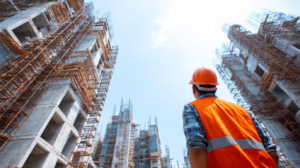
Urban design plays a crucial role in shaping the environments where people live, work, and interact. As cities continue to grow and evolve, understanding the principles of urban design becomes increasingly important. These principles guide the planning and development of urban areas, aiming to create spaces that are sustainable, functional, and aesthetically pleasing. The impact of urban design is evident in everything from the layout of streets to the integration of green spaces, influencing the quality of life for city dwellers.
In this article, we will explore the essential principles of urban design that are shaping modern cities. By understanding these principles, architects, planners, and policymakers can create urban environments that meet the needs of current and future generations. We will delve into the concepts of sustainability, accessibility, and connectivity, among others, and discuss how they contribute to the development of vibrant urban communities.
Comprehensive guide to urban design principles
Urban design encompasses a wide range of considerations, from the macro scale of city planning to the micro details of street furniture. Effective urban design requires an understanding of how people interact with their environments and how these environments can be structured to support human activity.
Sustainability and environmental integration
Green spaces and urban ecology
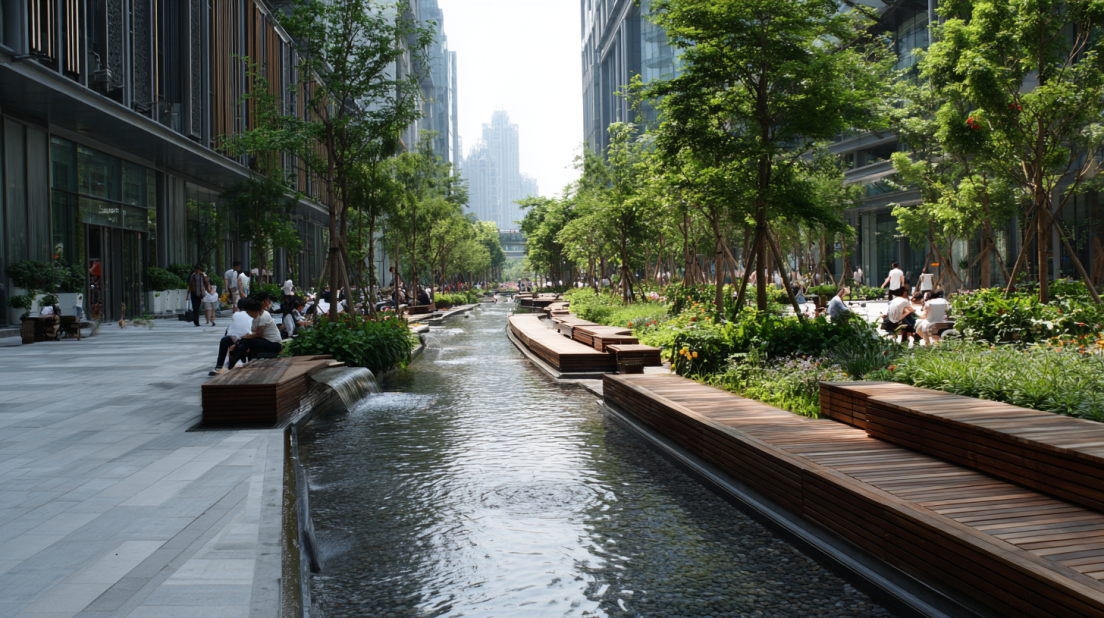
Integrating green spaces into urban environments is a fundamental principle of sustainable urban design. Green spaces provide numerous benefits, including improving air quality, reducing urban heat islands, and enhancing biodiversity. Cities like Singapore have been pioneering in this area, with initiatives such as the “City in a Garden” concept, which aims to weave nature throughout the urban fabric.
Urban ecology also involves the management of natural resources and the reduction of urban sprawl to preserve surrounding ecosystems. The promotion of green roofs and urban agriculture are ways to incorporate nature into densely populated areas.
Energy efficiency and resource management
Modern urban design prioritizes energy efficiency through the use of sustainable materials, renewable energy sources, and smart technologies. The design of buildings and infrastructure influences energy consumption; for example, maximizing natural light and using passive solar heating can significantly reduce energy needs.
Accessibility and inclusivity
Universal design principles
Accessibility is a cornerstone of inclusive urban design. Universal design principles ensure that public spaces, transportation systems, and buildings are accessible to everyone, regardless of age or physical ability. Cities like Copenhagen have excelled in creating accessible environments by prioritizing pedestrian and cyclist infrastructure.
Designing for inclusivity also involves considering the needs of diverse populations. This might mean ensuring that public spaces are welcoming to all cultural groups and providing amenities that cater to a range of needs.
Connectivity and mobility
Integrated transportation networks
Efficient transportation networks are vital for the connectivity of urban areas. Integrated systems that combine various modes of transport, such as buses, trains, and bicycles, can enhance mobility and reduce reliance on private vehicles. This approach not only eases congestion but also lowers carbon emissions.
Examples of successful integration can be seen in cities like Tokyo, where multiple forms of public transport are seamlessly connected, providing residents with flexible and efficient travel options.
Practical steps for urban design
- Conduct stakeholder consultations: Engage with local communities to understand their needs and aspirations.
- Promote mixed-use developments: Encourage a blend of residential, commercial, and recreational spaces.
- Implement green infrastructure: Use nature-based solutions for urban challenges like stormwater management.
- Foster public spaces: Design areas that encourage social interaction and community building.
- Enhance digital connectivity: Integrate smart city technologies for better urban management and services.
Key data & statistics
| Indicator | Value / Result | Interpretation |
|---|---|---|
| Urban population growth | 2.5 billion by 2050 | Increasing demand for sustainable urban design. |
| Public transport usage | 40% increase | Reflects improved connectivity and reduced car dependency. |
| Green space allocation | 30% of urban areas | Enhances livability and environmental quality. |
| Energy savings | 20% reduction | Result of implementing energy-efficient designs. |
Practical tips for effective urban design
Applying effective urban design principles can significantly enhance the livability and sustainability of modern cities. By following practical tips and strategies, urban planners and designers can create environments that are both functional and enjoyable for residents.
Understanding the common pitfalls in urban design, such as neglecting community input or failing to integrate technology, is crucial for success. By avoiding these mistakes and focusing on inclusive, forward-thinking solutions, urban developers can contribute to creating vibrant and resilient cities.
Tips for success in urban design
- Engage with communities: Regularly consult with residents to ensure their needs are met.
- Focus on pedestrian-friendly designs: Prioritize walkability to enhance urban experience.
- Leverage technology: Use data analytics to inform design decisions and optimize resources.
- Ensure diversity of uses: Mix residential, commercial, and recreational areas to create dynamic spaces.
- Plan for resilience: Design with climate change adaptation in mind to ensure long-term viability.
Pros and cons of modern urban design
| Pros | Cons |
|---|---|
| Improved quality of life through better amenities. | High initial costs for sustainable infrastructure. |
| Increased economic opportunities in well-designed areas. | Potential for gentrification and displacement. |
| Enhanced environmental sustainability. | Complex regulatory and planning processes. |
| Greater social cohesion in inclusive communities. | Challenges in balancing diverse stakeholder interests. |
Explore similar articles
Discover more insights on architecture and urban planning in our series of articles. Learn about modern residential architecture trends for sustainability here and explore how to design functional and aesthetic homes here.
❓ Frequently asked questions
What are the key components of urban design?
Urban design involves several components, including land use planning, transportation systems, public spaces, and environmental sustainability. These elements work together to create functional and attractive cities.
How does urban design impact the environment?
Urban design can significantly impact the environment by influencing energy consumption, waste management, and the preservation of natural resources. Sustainable urban design aims to minimize negative environmental effects while enhancing ecological health.
What role does technology play in urban design?
Technology plays a crucial role in modern urban design by enabling data-driven decision-making, improving infrastructure efficiency, and enhancing connectivity. Smart city technologies offer solutions for urban challenges, such as traffic congestion and energy management.
Why is public participation important in urban design?
Public participation is important in urban design because it ensures that the needs and preferences of the community are considered. Engaging with residents can lead to more successful and accepted urban projects, fostering a sense of ownership and cooperation.
How does urban design influence social interactions?
Urban design influences social interactions by creating spaces that encourage community engagement and connectivity. Public squares, parks, and pedestrian-friendly areas can enhance social cohesion and foster a sense of belonging among residents.
What is the future of urban design?
The future of urban design lies in creating adaptable, resilient cities that can respond to changing environmental and social conditions. Emphasis will be placed on sustainability, technological integration, and inclusive community planning to meet the demands of growing urban populations.