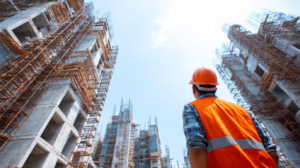

In the ever-evolving world of architecture, smart building technologies have emerged as a groundbreaking force, reshaping the landscape of modern construction. These advanced systems integrate cutting-edge innovations to create structures that are not only aesthetically pleasing but also highly efficient and sustainable. By harnessing the power of automation, data analytics, and the Internet of Things (IoT), smart buildings are setting new standards for comfort, energy efficiency, and environmental responsibility.
This comprehensive guide delves into the transformative impact of smart building technologies on architecture. Readers will gain insight into the essential components of smart buildings, understand the benefits and challenges associated with their implementation, and explore practical tips for integrating these technologies into architectural designs. The information provided is crucial for architects, builders, and developers aiming to stay ahead in a competitive industry.
Understanding the Core Components of Smart Buildings
Smart buildings represent a fusion of innovative technology and human-centric design, aiming to enhance operational efficiency and occupant experience. These buildings utilize interconnected systems that communicate with each other and with users, facilitating seamless control over various functions. This section explores the foundational elements that define a smart building.
Building Management Systems (BMS)
Integrated control for efficiency
Building Management Systems (BMS) are central to the operation of smart buildings, providing a unified platform to manage heating, ventilation, air conditioning (HVAC), lighting, and security systems. They enable real-time monitoring and control, optimizing energy use and reducing operational costs. For instance, BMS can adjust lighting and temperature based on occupancy, ensuring comfort while conserving energy.
Moreover, BMS systems facilitate predictive maintenance by analyzing data from various sensors, thereby reducing downtime and prolonging equipment lifespan. This proactive approach not only enhances building performance but also minimizes the environmental impact.
Automated lighting systems
Automated lighting systems in smart buildings adjust brightness and color temperature based on natural light availability and occupancy. This not only enhances user comfort but also contributes significantly to energy savings. According to a U.S. Department of Energy study, such systems can reduce lighting energy consumption by up to 60%.
Internet of Things (IoT) Integration
Connected devices for smarter environments
IoT integration is a cornerstone of smart building technology, linking devices and systems to create an interconnected ecosystem. IoT sensors collect data on environmental conditions, occupancy, and energy usage, enabling more informed decision-making. For example, smart thermostats can learn user preferences and adjust settings automatically, enhancing comfort while optimizing energy use.
The data collected by IoT devices can also drive insights into building performance and user behavior, allowing for continuous improvement in building operations.
Energy Management Systems (EMS)
EMS play a crucial role in smart buildings by monitoring and optimizing energy consumption. These systems can identify energy-saving opportunities, such as peak load management and demand response strategies, which are vital for reducing energy costs and environmental impact.
Practical Steps to Implement Smart Building Technologies
- Conduct a needs assessment: Evaluate the specific requirements of the building and its users to tailor the smart technologies accordingly.
- Choose scalable solutions: Opt for technologies that can grow with the building’s needs, ensuring long-term adaptability.
- Focus on user experience: Prioritize systems that enhance comfort and usability for occupants.
- Ensure data security: Implement robust cybersecurity measures to protect sensitive information collected by smart systems.
- Integrate renewable energy: Incorporate solar panels or wind turbines to make the building more sustainable.
- Engage stakeholders early: Involve all stakeholders in the planning process to ensure alignment and support for smart building initiatives.
Key Data & Statistics
| Indicator | Value / Result | Interpretation |
|---|---|---|
| Energy savings from BMS | Up to 30% | Significant reduction in energy costs and environmental impact. |
| Lighting energy savings | Up to 60% | Automated systems substantially lower energy consumption. |
| Occupant satisfaction | Increased by 20% | Enhanced comfort and user experience lead to higher satisfaction. |
| Operational cost reduction | 15-30% | Smart technologies streamline operations and reduce expenses. |
| Carbon footprint reduction | 20-40% | Smart buildings contribute to a more sustainable environment. |
Practical Tips for Implementing Smart Building Technologies
Integrating smart technologies into building designs can be a complex task, but the benefits are substantial. This section provides practical advice for architects and developers looking to embrace smart building technologies.
It’s essential to approach smart building integration methodically, considering both the technological and human factors. By understanding common pitfalls and leveraging best practices, stakeholders can enhance building performance and occupant satisfaction while minimizing environmental impact.
Tips for Successful Implementation
- Start small: Implement a pilot project to test and refine smart technology integration.
- Prioritize interoperability: Select systems that can communicate with each other for seamless operation.
- Train occupants: Educate users on how to effectively interact with smart systems.
- Monitor performance: Continuously track system performance and make adjustments as needed.
- Seek expert advice: Consult with specialists to ensure the best solutions are chosen and implemented.
Pros and Cons of Smart Building Technologies
| Pros — in English | Cons — in English |
|---|---|
| Increased energy efficiency | High initial investment |
| Enhanced occupant comfort | Potential privacy concerns |
| Reduced operational costs | Complex integration process |
| Improved sustainability | Requires ongoing maintenance |
| Data-driven decision-making | Cybersecurity risks |
Explore Similar Articles
Read more about sustainable architecture and innovative construction techniques in these related articles:
❓ Frequently Asked Questions
What defines a smart building?
A smart building uses automated processes to control the building’s operations, including heating, ventilation, air conditioning, lighting, security, and more. Its systems are interconnected and can be controlled remotely, often enhancing efficiency and sustainability.
How do smart buildings save energy?
Smart buildings save energy through automation and integration of systems like lighting and HVAC, which adjust based on occupancy and environmental conditions. This reduces energy wastage and improves overall efficiency.
Are there privacy concerns with smart buildings?
Yes, privacy concerns arise from the data collected by smart systems, which can include personal information. Implementing robust cybersecurity measures is essential to protect this data and maintain user trust.
What are the costs associated with smart technologies?
Initial costs for smart technologies can be high due to the investment in new systems and infrastructure. However, long-term savings on energy and operational costs can offset these expenses over time.
How do smart buildings impact sustainability?
Smart buildings enhance sustainability by optimizing energy use, reducing waste, and integrating renewable energy sources. This minimizes their carbon footprint and contributes to a greener environment.
What role does IoT play in smart buildings?
IoT enables smart buildings by connecting various devices and systems, allowing them to communicate and function efficiently. This integration supports automation, data collection, and real-time control of building operations.