In the ever-evolving landscape of residential construction, energy efficiency has become a pivotal focus for architects, builders, and homeowners alike. As global energy costs continue to rise and environmental concerns become more pressing, integrating energy-saving solutions in home construction is not just a trend but a necessity. These solutions not only reduce utility bills but also minimize carbon footprints, contributing to a more sustainable future.
This article explores a comprehensive range of energy-saving solutions tailored for residential construction. Readers will learn about innovative materials, advanced technologies, and practical strategies that can significantly enhance energy efficiency in homes. Understanding these solutions is crucial for anyone involved in residential construction or planning to build a new home.
Comprehensive Guide to Energy Saving in Residential Construction
Implementing energy-saving solutions in residential construction involves a multi-faceted approach that includes the use of innovative materials, advanced technologies, and strategic design considerations. By understanding and applying these elements, builders and homeowners can achieve significant energy savings.
High-Performance Insulation
Choosing the Right Insulation Material
Insulation is a critical component in reducing energy consumption in homes. Choosing the right insulation material can greatly enhance a building’s thermal performance. Materials like spray foam, rigid foam panels, and cellulose offer high R-values, which measure thermal resistance. For example, spray foam insulation can provide an R-value of 6.5 per inch, outperforming traditional options like fiberglass.
In addition to R-value, factors such as moisture resistance, installation ease, and cost should be considered. Opting for materials that balance these factors can lead to optimal energy efficiency and cost-effectiveness.
Installation Techniques
Proper installation of insulation is essential to prevent energy loss. Gaps, compression, and inadequate coverage can significantly reduce the effectiveness of insulation. Using techniques such as air sealing before insulation and ensuring continuous coverage can prevent thermal bridging, which occurs when heat bypasses insulation through structural elements.
Energy-Efficient Windows
Window Glazing and Coatings
Windows are a significant source of energy loss in homes. Energy-efficient windows with low-emissivity (low-E) coatings can reduce heat transfer, keeping homes warmer in winter and cooler in summer. Double or triple-glazed windows provide additional layers of protection by trapping air or inert gases between panes, enhancing thermal insulation.
Investing in quality window solutions can yield significant energy savings over time. According to the U.S. Department of Energy, homeowners can save up to 15% on energy bills by upgrading to energy-efficient windows.
Smart Home Technology
Automated Systems
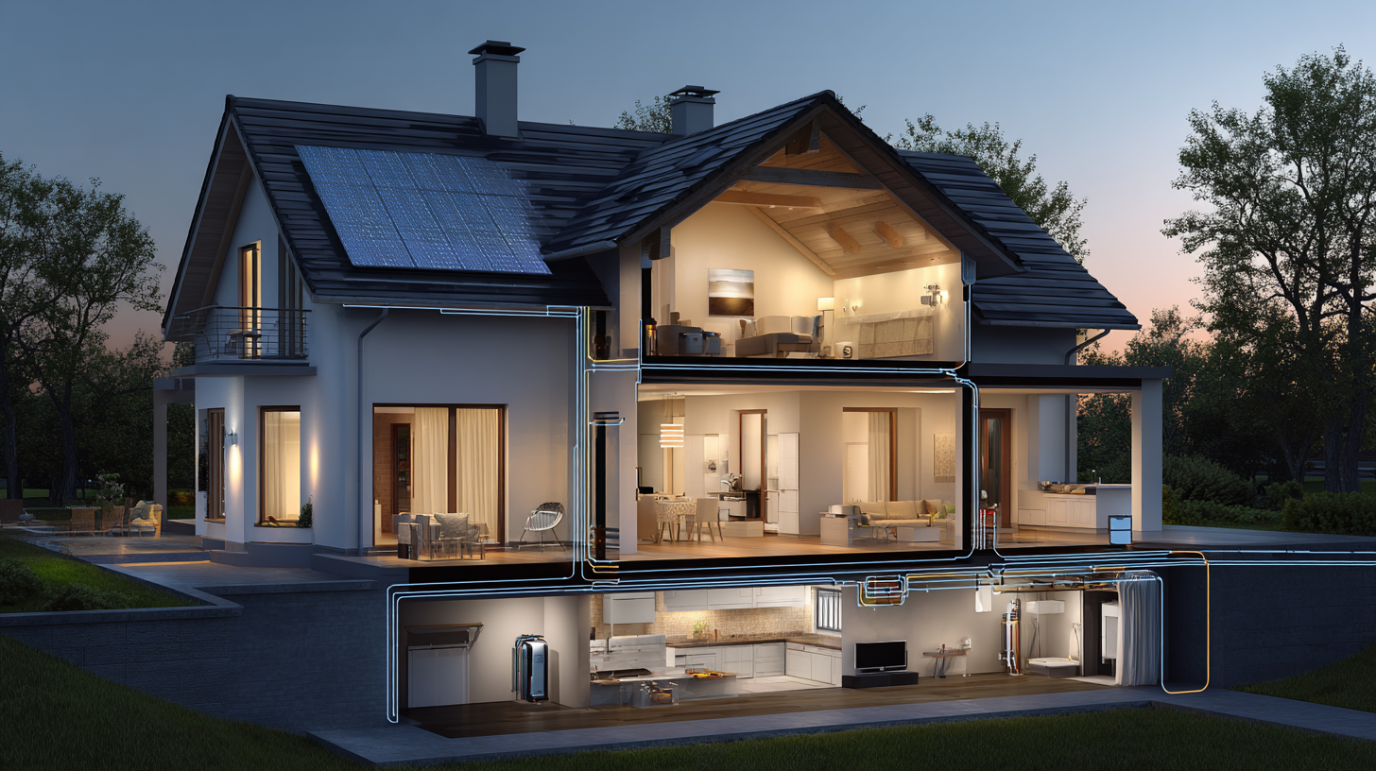
Integrating smart home technology can optimize energy use in residential settings. Automated systems like smart thermostats, lighting, and appliances allow users to control energy consumption based on real-time data. For instance, smart thermostats can learn household patterns and adjust heating and cooling accordingly, potentially reducing energy use by up to 10% annually.
The convenience of controlling home systems remotely via smartphone apps also enhances user engagement with energy-saving practices, fostering an environment of sustainable living.
Solar Energy Implementation
Solar energy is a renewable resource that can drastically cut energy costs. Installing solar panels on rooftops allows homeowners to generate their own electricity, reducing reliance on grid power. Government incentives and decreasing costs of solar technology have made it an attractive option for many homeowners.
Practical Steps to Implement Energy-Saving Solutions
- Conduct an Energy Audit: Identify areas of energy loss and prioritize improvements.
- Choose High-Quality Materials: Invest in materials with high energy performance ratings.
- Integrate Smart Technology: Use smart systems to automate and control home energy use.
- Focus on Passive Design: Optimize building orientation, window placement, and shading.
- Consider Renewable Energy: Explore options like solar panels to supplement energy needs.
Key Data & Statistics in Energy Efficiency
| Indicator | Value / Result | Interpretation |
|---|---|---|
| Energy Savings from Insulation | 15-20% | Proper insulation can reduce energy consumption significantly. |
| Efficiency of Low-E Windows | 30-50% less heat transfer | Reduces heating and cooling demand, lowering energy bills. |
| Smart Thermostat Savings | 8-10% annually | Adjusts temperatures based on occupancy and schedule. |
| Solar Energy Cost Reduction | 20-40% | Decreases reliance on grid power, leading to financial savings. |
Practical Tips for Implementing Energy-Saving Solutions
Incorporating energy-saving solutions in residential construction is not only beneficial for reducing costs but also crucial for enhancing comfort and sustainability. By following practical tips, homeowners and builders can effectively implement these solutions.
Understanding common challenges, such as budget constraints or lack of awareness, can help in making informed decisions. By focusing on simple yet impactful changes, significant energy savings can be achieved without compromising on quality or comfort.
Tips for Success in Energy Efficiency
- Plan Early: Incorporate energy-saving designs from the outset of the project.
- Stay Informed: Keep up with new technologies and materials that improve energy efficiency.
- Consult Experts: Work with energy consultants to identify the best solutions for your home.
- Monitor Usage: Regularly check energy consumption patterns to identify areas for improvement.
- Utilize Incentives: Take advantage of government programs that support energy-efficient upgrades.
Pros and Cons of Energy-Saving Solutions
| Pros | Cons |
|---|---|
| Reduces energy bills significantly over time. | Initial investment costs can be high. |
| Increases home resale value. | Requires ongoing maintenance and updates. |
| Improves indoor comfort and air quality. | May involve complex installation processes. |
| Contributes to environmental sustainability. | Some technologies may have limited availability. |
Similar Articles
❓ Frequently Asked Questions
What are the best materials for insulation?
Some of the best materials for insulation include spray foam, rigid foam panels, and cellulose. These materials provide high R-values and are effective in reducing energy loss.
How do smart thermostats save energy?
Smart thermostats save energy by learning household patterns and adjusting heating and cooling based on occupancy and preferences, which can reduce energy use by up to 10% annually.
Are solar panels worth the investment?
Yes, solar panels can significantly reduce electricity costs and reliance on grid power. With government incentives and declining costs, they are increasingly becoming a worthwhile investment.
What is the role of window glazing in energy efficiency?
Window glazing, including features like low-E coatings and gas fills, enhances a window’s thermal insulation, reducing heat transfer and improving overall energy efficiency in homes.
How can I conduct an energy audit?
Conducting an energy audit involves assessing your home’s current energy use, identifying areas of energy loss, and recommending improvements. Professional auditors use tools to provide detailed insights.
Can energy-efficient homes increase property value?
Yes, energy-efficient homes often have higher resale values. Buyers are increasingly looking for homes with lower utility costs and sustainable features, making them more attractive in the market.