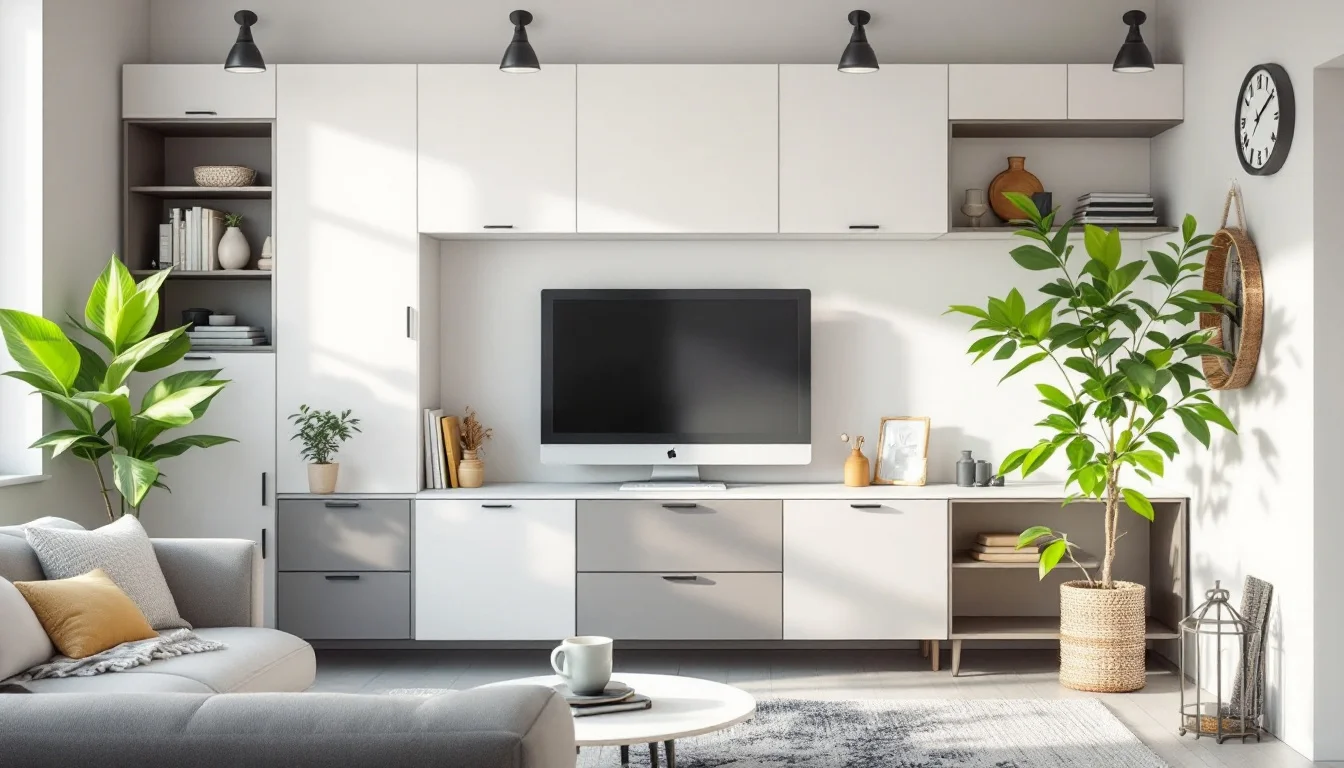
In today’s competitive business environment, planning efficient commercial spaces is crucial for maximizing productivity and ensuring a seamless operation. A well-designed commercial space not only meets the functional needs of a business but also enhances employee satisfaction and customer experience. From optimizing layout to incorporating flexible workstations, the benefits of thoughtful space planning are vast and impactful.

This guide will walk you through the essential steps and considerations in planning commercial spaces effectively. You’ll learn about strategic layout designs, the importance of adaptability, and how to integrate technology seamlessly. These insights will help you create an environment that supports business growth and adapts to changing needs.

Complete guide to planning efficient commercial spaces

Planning efficient commercial spaces involves a strategic approach to design and functionality. A successful plan requires understanding the specific needs of the business and incorporating elements that foster productivity and innovation.

Understanding business needs

Assessing operational requirements

Before embarking on a design strategy, it’s paramount to assess the operational requirements of the business. This includes identifying core functions, workflow patterns, and space utilization. For instance, a tech company may prioritize open collaborative areas, while a law firm might need private offices for confidentiality.

Understanding these needs allows for the creation of a tailored space that aligns with business objectives and enhances efficiency.

Evaluating growth and scalability

Businesses evolve, and so should their spaces. Planning for scalability ensures that the commercial space can adapt to future growth without major disruptions. This involves designing flexible layouts that can easily be reconfigured and investing in modular furniture that supports expansion.

Incorporating flexible design elements

Open-plan vs. segmented spaces

Choosing between open-plan and segmented spaces depends on the business’s nature and culture. Open-plan offices promote collaboration and transparency but may lack privacy. Conversely, segmented spaces offer privacy and reduced noise but can hinder team interaction.

Employing a hybrid approach often works best, providing both open areas for teamwork and private spaces for focused work.

Optimizing layout for productivity

An effective layout considers the flow of movement, accessibility, and the placement of essential facilities. Arranging workstations to minimize distractions and facilitate communication can significantly boost productivity.

Practical steps for efficient planning

  1. Conduct a needs assessment: Evaluate how different departments use space to identify areas for improvement.
  2. Engage stakeholders: Involve employees in the planning process to gain insights and foster a sense of ownership.
  3. Utilize space planning software: Leverage technology to visualize layouts and test different configurations.
  4. Incorporate sustainability: Integrate eco-friendly materials and energy-efficient systems to enhance environmental sustainability.
  5. Plan for future technology: Ensure the infrastructure can support technological advancements such as IoT and AI.
  6. Regularly review and adjust: Periodically reassess the space to ensure it continues to meet business needs.

Key data & statistics

Indicator Value / Result Interpretation
Employee satisfaction increase 25% Improved space design boosts morale and productivity.
Reduction in operational costs 15% Efficient layouts lead to cost savings in utilities and maintenance.
Space utilization efficiency 85% Optimized layouts maximize usable area.
Collaboration increase 30% Open spaces enhance team interaction and innovation.
Energy consumption reduction 20% Sustainable designs lower energy usage and costs.

Practical tips for planning commercial spaces

Implementing practical tips can greatly enhance the planning of commercial spaces, leading to a more efficient and adaptable environment. These strategies help in addressing common challenges and seizing opportunities for improvement.

Consider the following tips as a guide to creating a commercial space that not only meets current needs but also anticipates future demands. Avoiding pitfalls such as over-customization or neglecting employee input can be crucial to success.

Tips for success

  • Prioritize adaptability: Design spaces that can easily be reconfigured to meet changing needs.
  • Focus on user experience: Create a welcoming and comfortable environment for both employees and clients.
  • Leverage natural light: Maximize the use of natural light to improve mood and reduce energy costs.
  • Incorporate biophilic design: Integrate natural elements to enhance well-being and productivity.
  • Ensure technology readiness: Future-proof the space by planning for technological advancements.

Pros and cons

Pros — in English Cons — in English
Increased productivity Initial costs can be high
Enhanced employee satisfaction Requires ongoing adjustments
Optimized space usage Potential noise issues
Improved collaboration Privacy may be compromised
Reduced operational costs Complex planning process

❓ Frequently asked questions

What is the key to efficient commercial space planning?

The key lies in understanding the specific needs of the business, incorporating flexibility, and ensuring the space can adapt to future changes. Engaging stakeholders and utilizing technology can greatly enhance planning outcomes.

How does space planning impact employee productivity?

Efficient space planning improves workflow, reduces distractions, and fosters a positive work environment, all contributing to enhanced employee productivity. It also supports collaboration and innovation.

Why is flexibility important in commercial space design?

Flexibility is crucial as it allows businesses to adapt to changes in size, technology, and operations without significant disruptions. This adaptability is essential for long-term sustainability and growth.

How can technology assist in space planning?

Technology, such as space planning software, helps visualize layouts and test configurations. It also supports integrating smart systems that enhance efficiency and sustainability.

What role does sustainability play in space planning?

Sustainability reduces environmental impact and operational costs. It involves using eco-friendly materials, energy-efficient systems, and designs that maximize natural light and ventilation.

What are common mistakes in commercial space planning?

Common mistakes include neglecting future growth, failing to involve stakeholders, over-customizing spaces, and not considering employee comfort and productivity in the design.

How often should space planning be reviewed?

Regular reviews, at least annually, ensure that the space continues to meet the evolving needs of the business and incorporates any new technologies or processes.

Share this post
Facebook
Twitter
LinkedIn
WhatsApp

Your email address will not be published. Required fields are marked *

Related posts