In today’s rapidly evolving construction industry, sustainable building practices are more crucial than ever. As the demand for eco-friendly projects increases, architects, builders, and developers are seeking innovative ways to reduce environmental footprints. By integrating sustainability into construction, we can create buildings that not only conserve resources but also improve the quality of life for occupants, reduce operational costs, and contribute positively to the environment.

This article explores the essential sustainable building practices that are transforming the industry. Readers will gain insights into the methods and materials that promote eco-friendly construction, understand the benefits of sustainable architecture, and discover practical tips for implementing these practices. Our comprehensive guide aims to equip professionals with the knowledge needed to champion sustainability in their projects.

Complete guide to sustainable building practices

Embracing sustainable building practices is no longer optional for modern construction projects. As environmental concerns continue to rise, integrating eco-friendly methods is vital for both compliance and reputation. This guide delves into the strategies that can make a significant difference.

Efficient use of resources

Water conservation techniques

Water conservation is a fundamental aspect of sustainable building. Implementing rainwater harvesting systems and low-flow fixtures can significantly reduce water usage. For instance, the use of greywater recycling systems allows non-potable water to be reused for irrigation and flushing toilets, minimizing the strain on freshwater resources.

By incorporating smart irrigation systems and drought-resistant landscaping, projects can further enhance their water efficiency. These systems not only conserve water but also reduce utility costs, highlighting the dual benefits of sustainability.

Energy-efficient building design

Energy efficiency is another cornerstone of sustainable construction. Designing buildings with passive solar heating, natural ventilation, and high-performance insulation can drastically cut energy consumption. For example, orienting buildings to maximize natural light reduces the need for artificial lighting.

Use of sustainable materials

Locally sourced and recycled materials

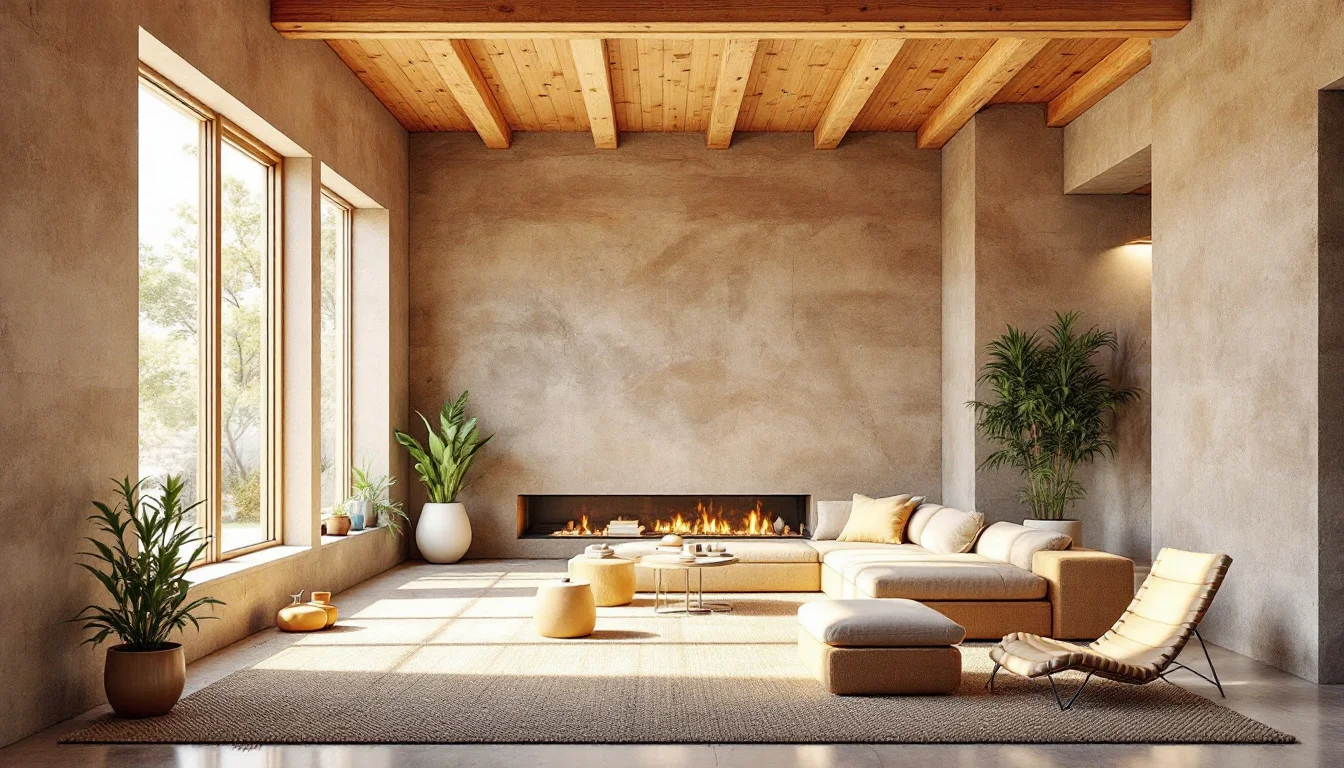
Using locally sourced and recycled materials decreases the carbon footprint associated with transportation and resource extraction. Materials like reclaimed wood, recycled steel, and bamboo are excellent alternatives to traditional construction materials. They not only support sustainability but also add unique aesthetic value to projects.

Furthermore, choosing materials with low embodied energy and minimal environmental impact, such as rammed earth and straw bales, can further enhance a building’s sustainability credentials.

Incorporating green technologies

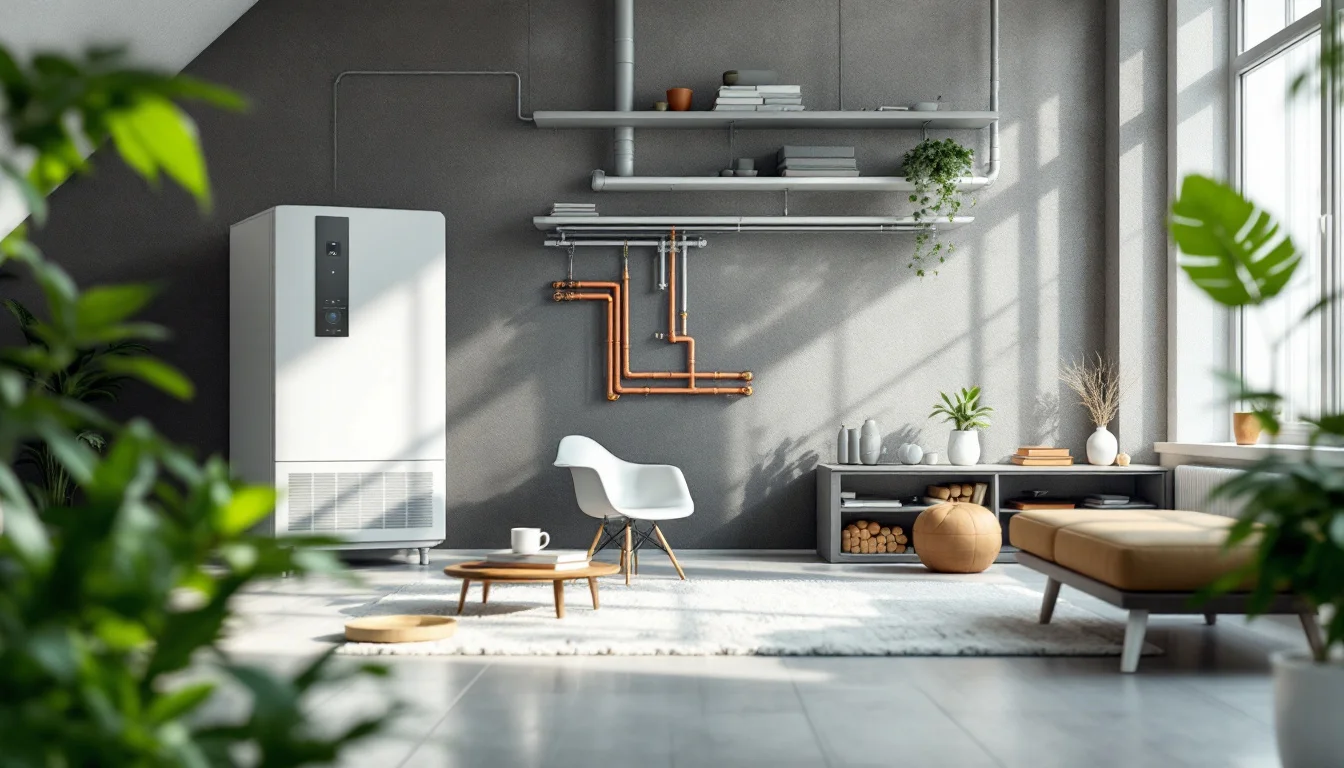
Green technologies, such as solar panels and wind turbines, are crucial for reducing reliance on non-renewable energy sources. These technologies not only help in cutting energy costs but also contribute to a building’s overall sustainability by generating clean energy.

Practical steps for implementation

  1. Conduct an environmental impact assessment: Evaluate the potential effects of the construction project on the surrounding environment.
  2. Adopt green building certifications: Aim for certifications like LEED or BREEAM to establish credibility and ensure adherence to sustainability standards.
  3. Engage with sustainable suppliers: Partner with suppliers who prioritize eco-friendly materials and practices.
  4. Utilize smart building technologies: Implement systems that monitor energy usage and optimize resource consumption in real-time.
  5. Promote occupant health and comfort: Ensure that the building design supports good air quality and natural lighting.

Key data & statistics

Indicator Value / Result Interpretation
Energy savings from green buildings 25% reduction Significant reduction in energy costs and carbon footprint.
Water usage reduction 30% savings Enhanced conservation efforts lead to lower utility expenses.
Increase in property value Up to 10% Green buildings are more attractive to buyers and renters.
Occupant productivity improvement 15% boost Better indoor environments contribute to higher productivity levels.

Practical tips for eco-friendly construction projects

Implementing sustainable building practices requires more than just knowledge; it demands practical application. The following tips provide actionable guidance for professionals seeking to enhance the eco-friendliness of their construction projects.

Avoiding common pitfalls and leveraging sustainable strategies can make a significant difference in project outcomes. By focusing on key areas like material selection and energy efficiency, builders can achieve substantial sustainability goals.

Tips for success

  • Plan with sustainability in mind: Integrate eco-friendly strategies from the project’s inception.
  • Prioritize renewable energy: Invest in solar, wind, or geothermal energy systems.
  • Implement a waste management plan: Reduce, reuse, and recycle materials during construction.
  • Focus on indoor air quality: Use non-toxic materials and ensure proper ventilation.
  • Educate stakeholders: Raise awareness about the benefits of sustainable practices among all involved parties.

Pros and cons of sustainable building practices

Pros Cons
Lower energy and water costs Higher initial investment
Increased property value Potential design constraints
Enhanced occupant health Longer return on investment period
Positive environmental impact Requires specialized knowledge

❓ Frequently asked questions

What are sustainable building practices?

Sustainable building practices involve methods and materials that reduce environmental impact, enhance energy efficiency, and promote resource conservation throughout a building’s lifecycle.

Why is sustainability important in construction?

Sustainability in construction is crucial to minimize environmental damage, reduce resource usage, and lower operational costs while creating healthier environments for occupants.

How can builders ensure sustainability?

Builders can ensure sustainability by using eco-friendly materials, employing energy-efficient designs, and incorporating renewable energy systems in their projects.

What are the benefits of green buildings?

Green buildings offer benefits such as reduced energy costs, improved indoor air quality, higher property value, and a lower carbon footprint.

Are there any downsides to sustainable building practices?

Potential downsides include higher upfront costs, design constraints, and the need for specialized expertise; however, the long-term benefits often outweigh these challenges.

Share this post
Facebook
Twitter
LinkedIn
WhatsApp

Your email address will not be published. Required fields are marked *

Related posts